
Orthodontic Treatments
Braces and Clear Aligners in Lucknow
Straighten your teeth with fixed braces or removable clear aligners, planned around you.
Crooked or crowded teeth can be harder to clean and can affect how you bite. Braces and aligners are two ways to move teeth gently into a better position. At Roots & Pulp in Aliganj, Dr. Shubham Tripathi will examine your teeth first and explain which options may suit you.
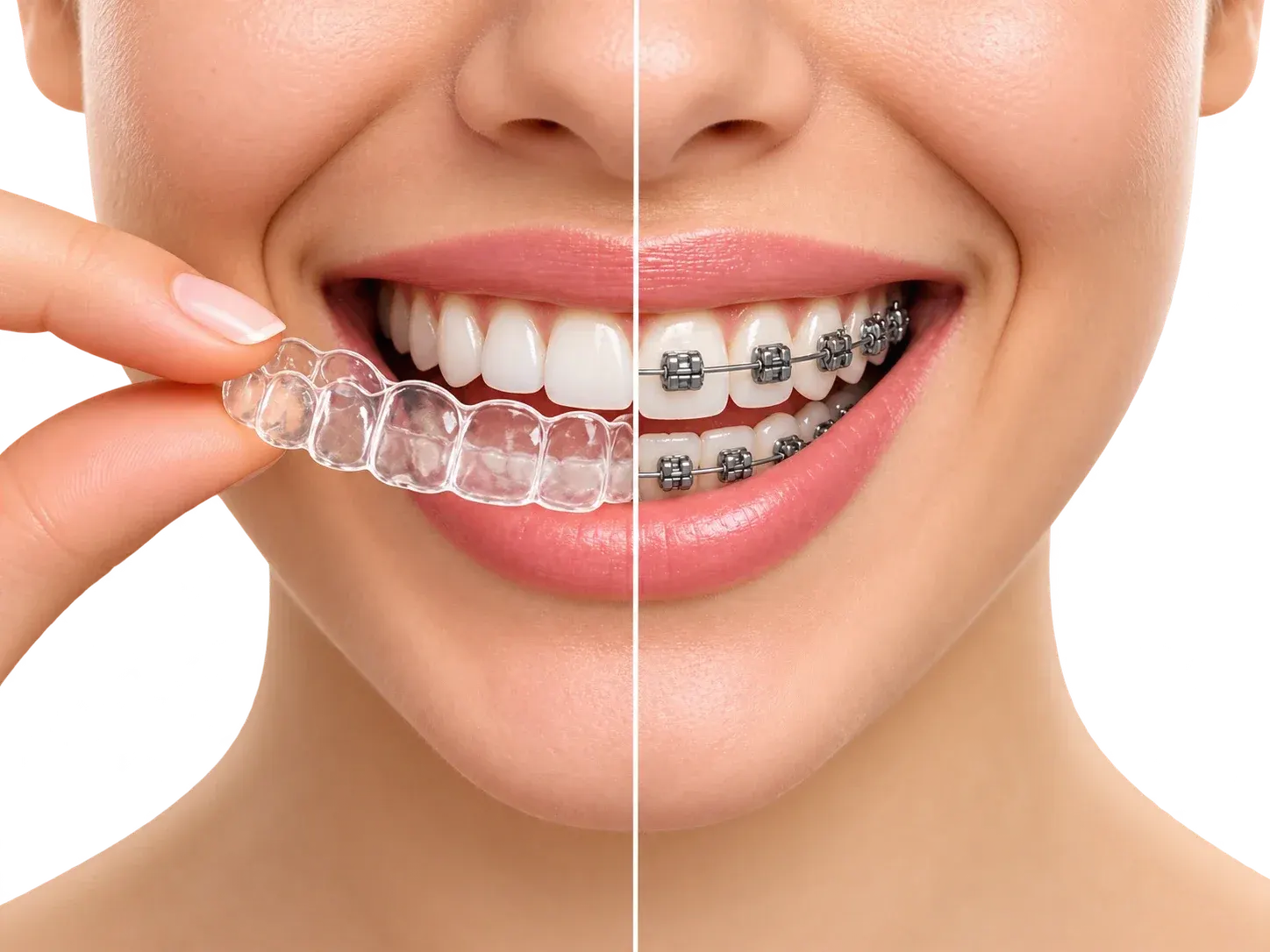
At a glance
- What it addresses
- Crowding, gaps and bite differences, for teens and adults.
- Two main routes
- Fixed braces, which stay on your teeth, and clear aligners, which you can take out.
- Planning
- Starts with an examination and X-rays, so your dentist can explain what is possible.
- Time
- Treatment commonly takes many months, and some cases take longer. Your dentist will give an estimate for you.
- After treatment
- Retainers are usually needed to keep teeth in their new position.
Could braces or aligners be relevant to you?
These are common reasons people ask a dentist about straightening their teeth.
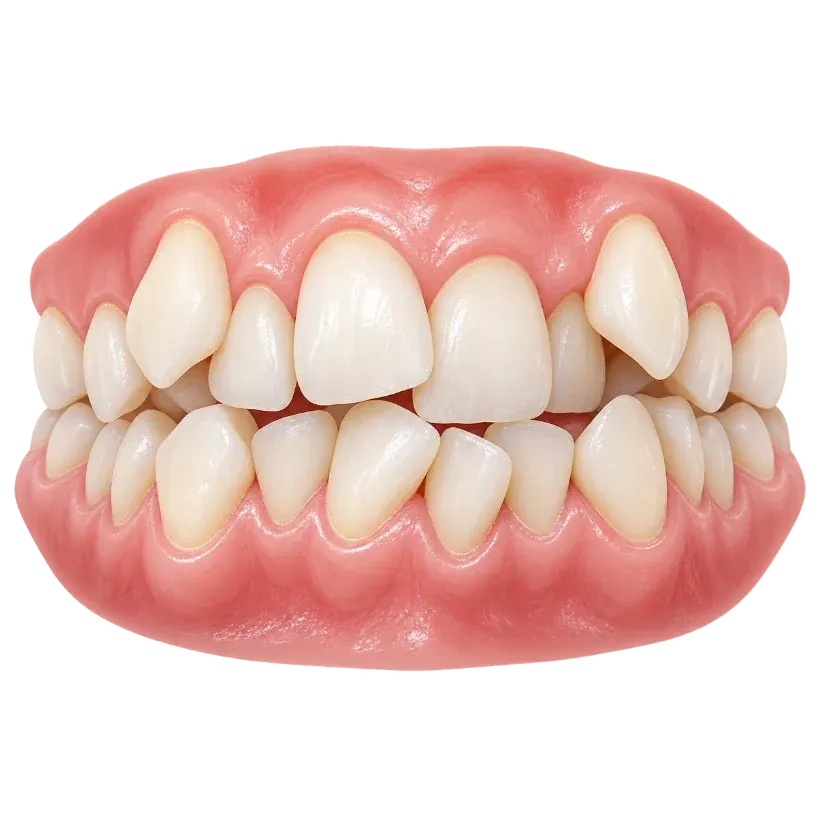
Crowded teeth
Teeth that overlap or twist because there is not enough space.
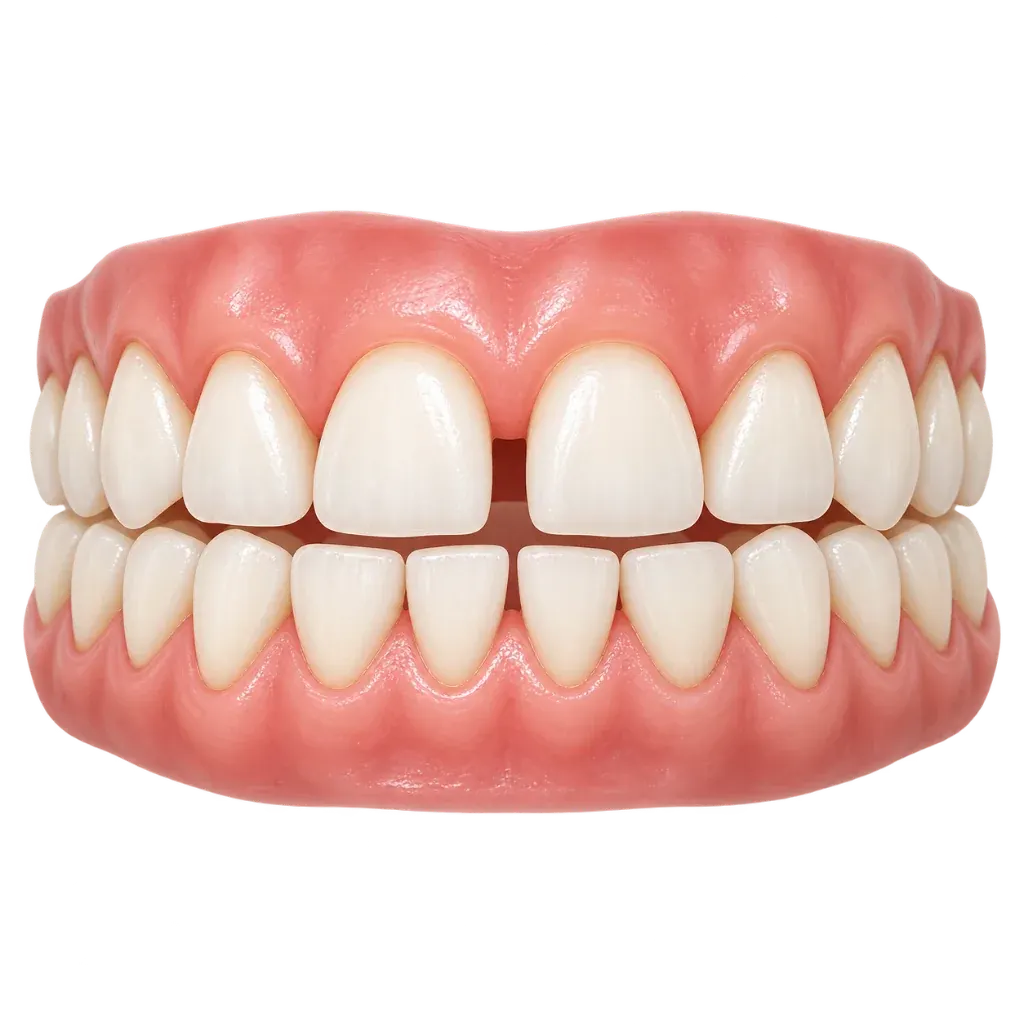
Gaps between teeth
Spaces that bother you or catch food.
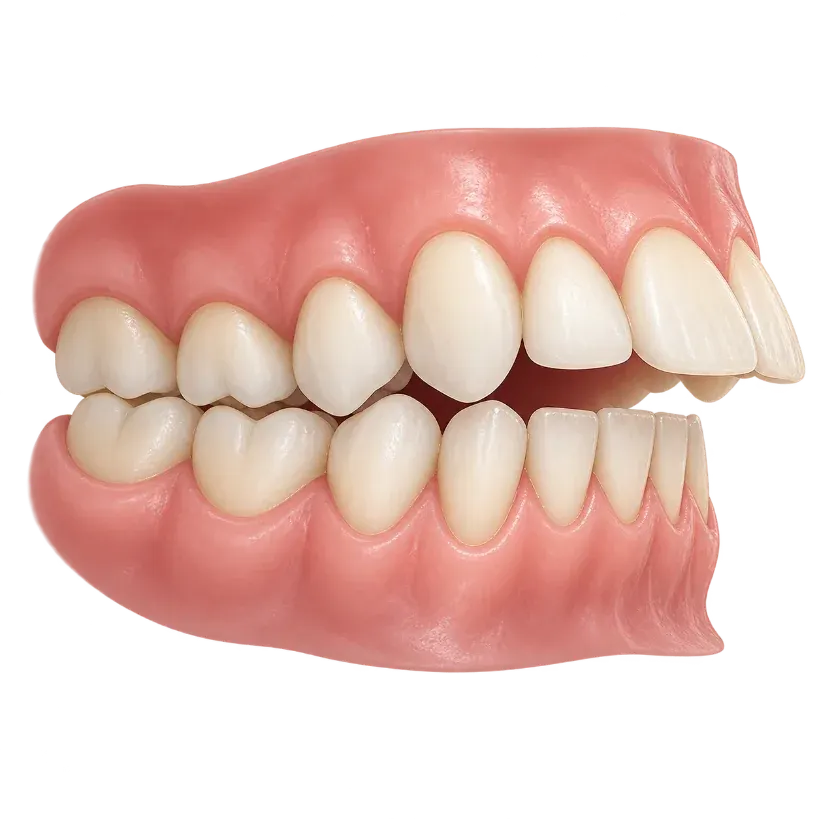
Teeth that stick out, or an uneven bite
The upper and lower teeth do not meet as they should.
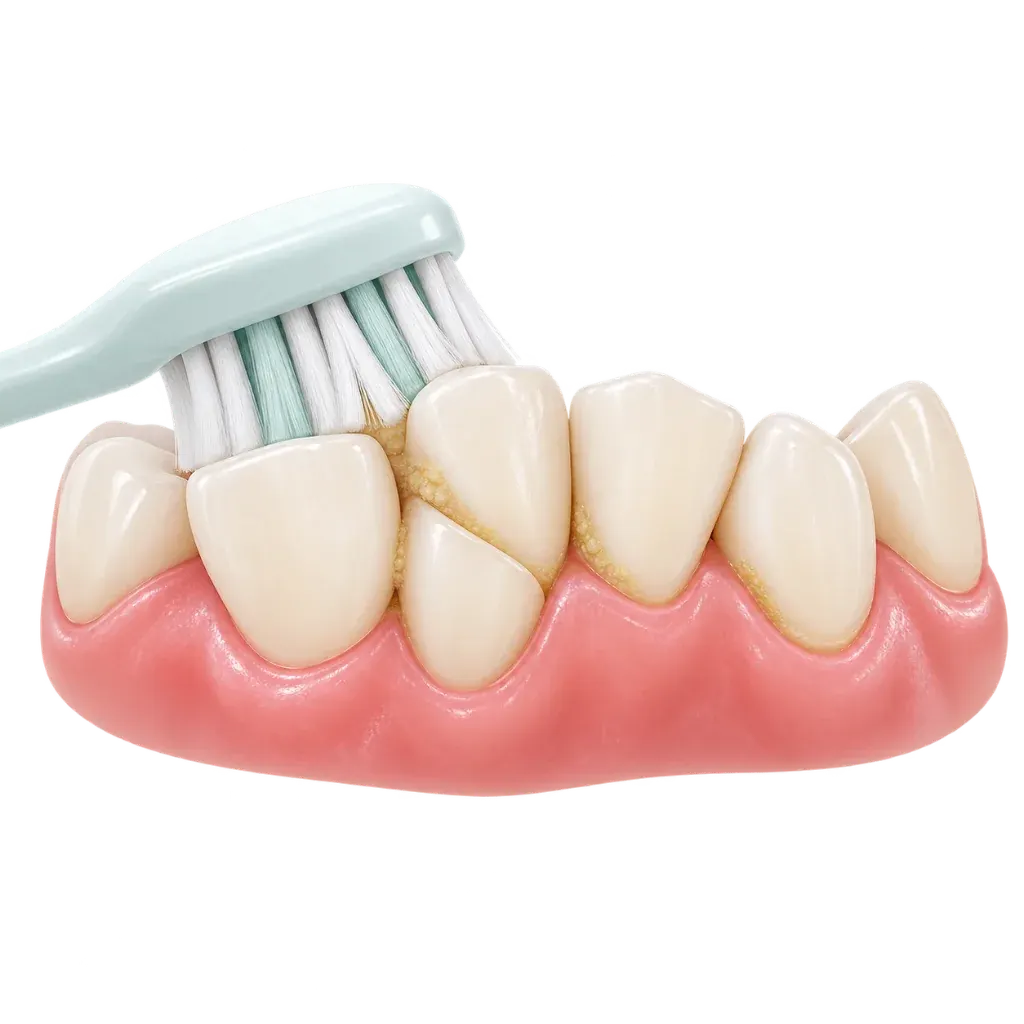
Teeth that are hard to clean
Crowding can make plaque harder to remove.
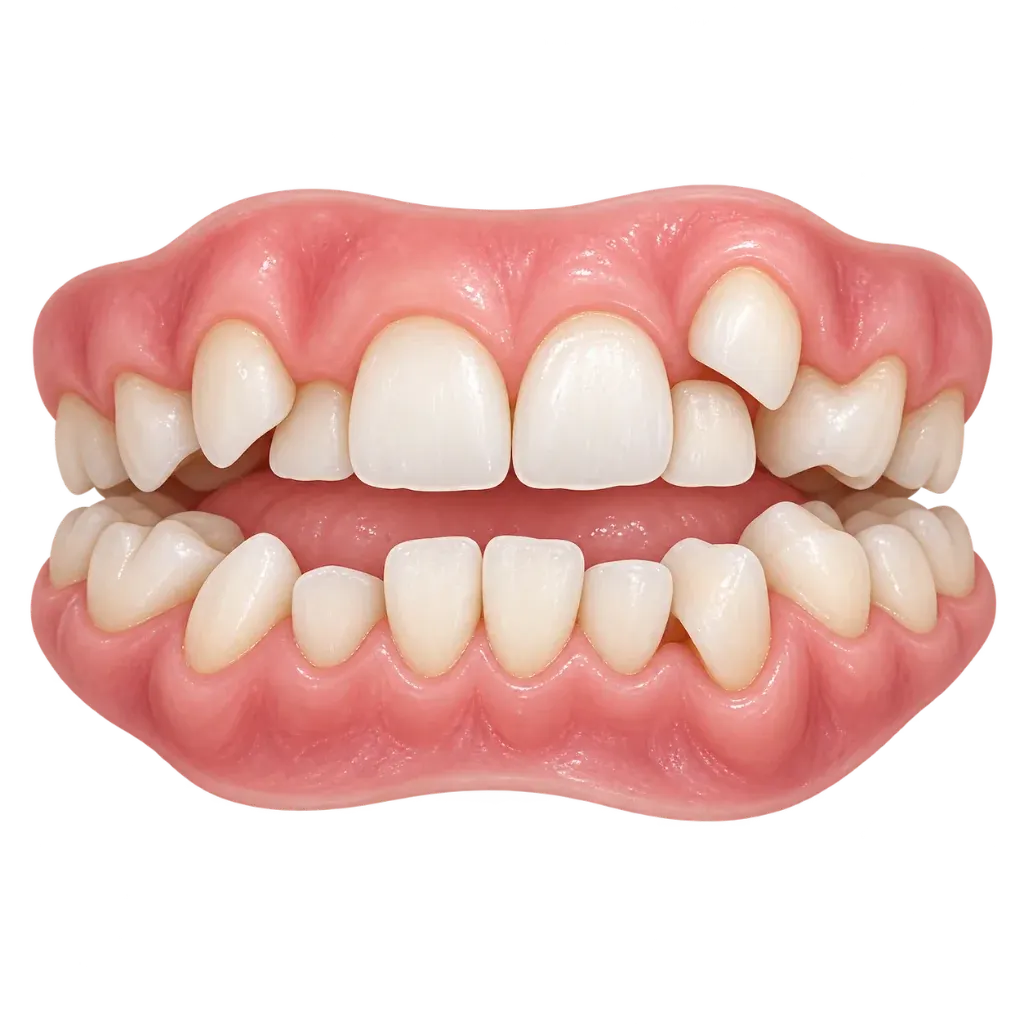
A child or teenager whose teeth are coming through crooked
Early advice can help parents plan.
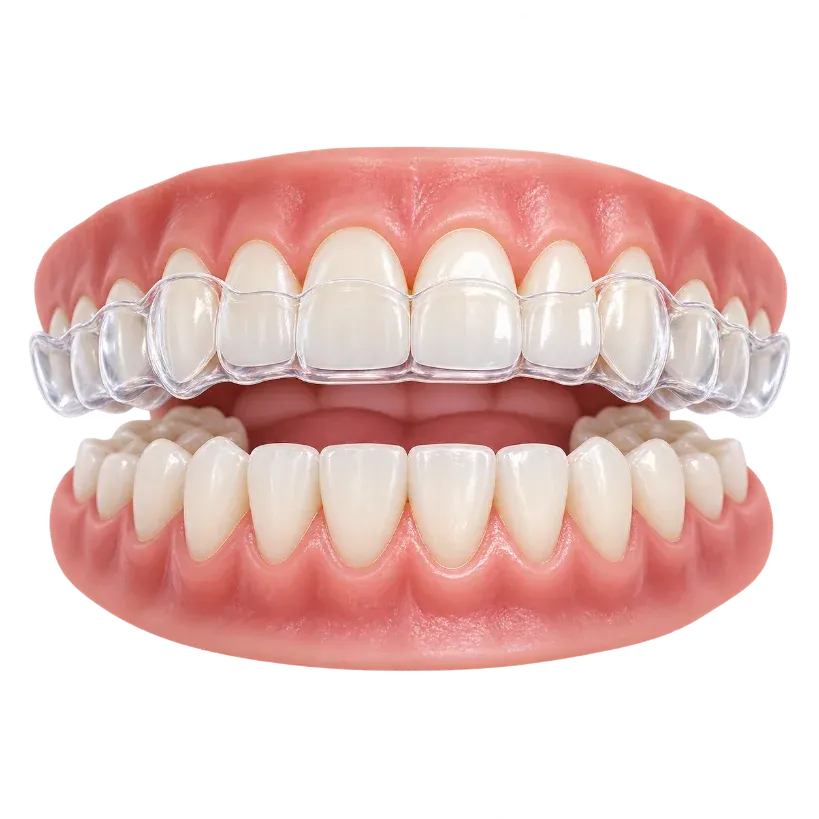
Wanting to straighten teeth as an adult
Many adults ask about this, and it is not only for teens.
Everyone's teeth and jaws are different. An examination and X-rays are needed to find out what is going on and what treatment, if any, is appropriate.
How do braces and aligners work?
Teeth are held in the jaw by bone and a thin layer of tissue around each root. When gentle, steady pressure is applied, the bone slowly remodels, and the tooth moves.
Braces use small brackets and a wire to apply that pressure. Clear aligners use a series of removable trays, each one moving the teeth a little.
Teeth move gradually. That is why treatment takes months, and why check-ups along the way matter.

What the journey can look like
Every case is different, and your own plan may vary. This is the general journey.
Consultation and examination
Dr. Tripathi listens to what you want to change, examines your teeth and gums and usually takes X-rays.
Records and planning
Photographs, X-rays and impressions or scans may be taken so your treatment can be planned.
Your plan
You hear your options, the expected timeline and an estimate of cost. There is no pressure to decide on the day.
Starting treatment
Braces are fitted to the teeth, or your first aligners are given, with instructions on how to wear and clean them.
Regular check-ups
You return for adjustments or aligner checks, so your dentist can follow progress and make changes.
Finishing and retention
Braces are removed or aligners finished, and a retainer is given to help hold your teeth in place.
Treatment times and visit patterns depend on your case and are explained at your consultation.
Your options
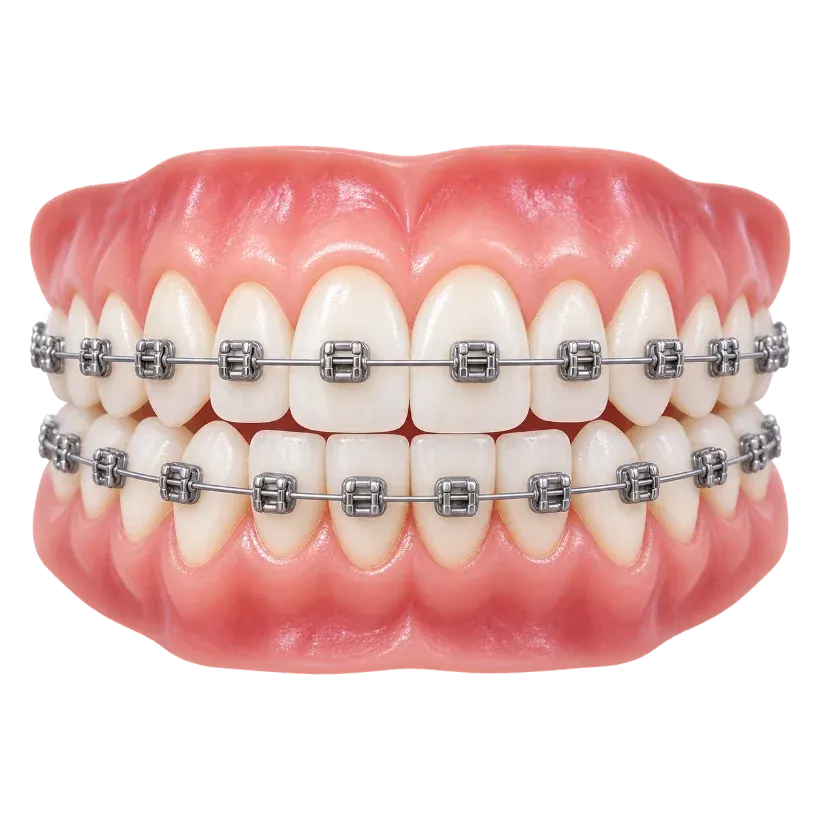
Fixed metal braces
- What it is
- Brackets bonded to the teeth with a wire that is adjusted over time.
- May suit
- A wide range of cases, including more complex ones.
Stay in place throughout treatment.
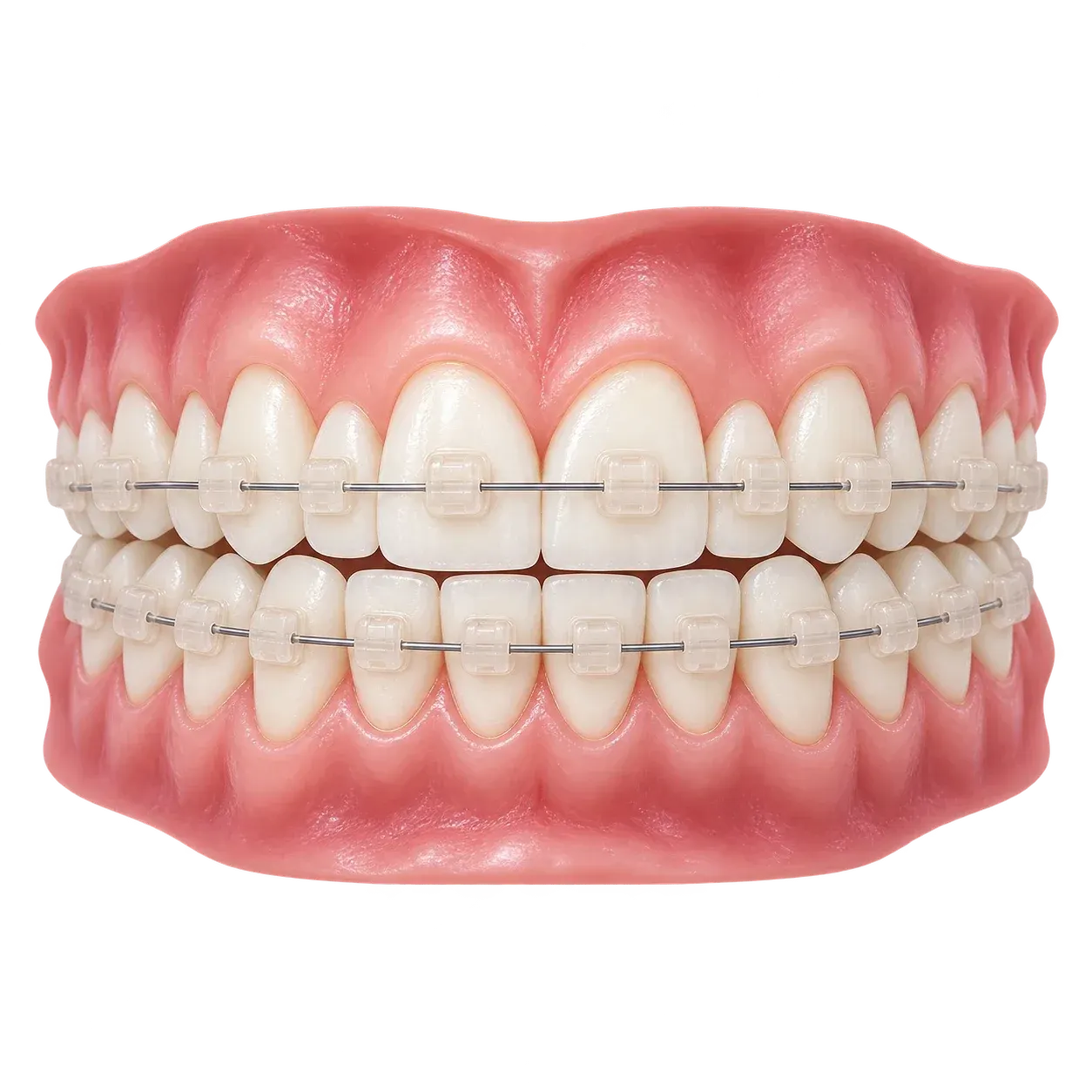
Fixed tooth-coloured braces
- What it is
- Similar to metal braces, with brackets that blend in with the teeth.
- May suit
- People who want braces that are less noticeable.
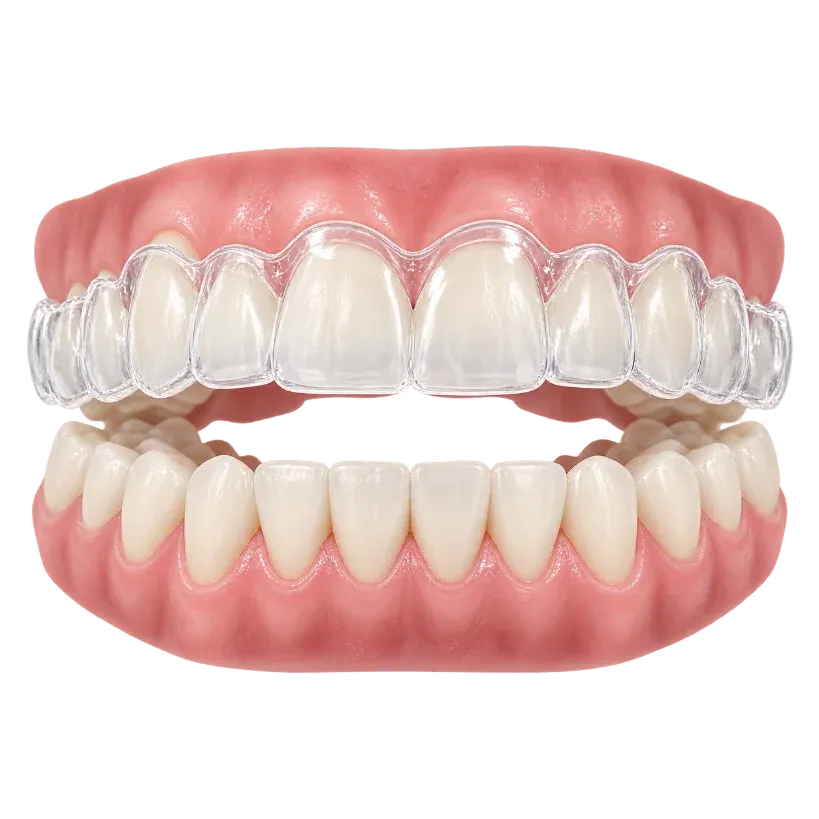
Clear aligners
- What it is
- A series of clear, removable trays that move the teeth step by step.
- May suit
- Many mild to moderate cases, when the person can wear them as instructed.
Removable for eating and cleaning, but they only work when worn.
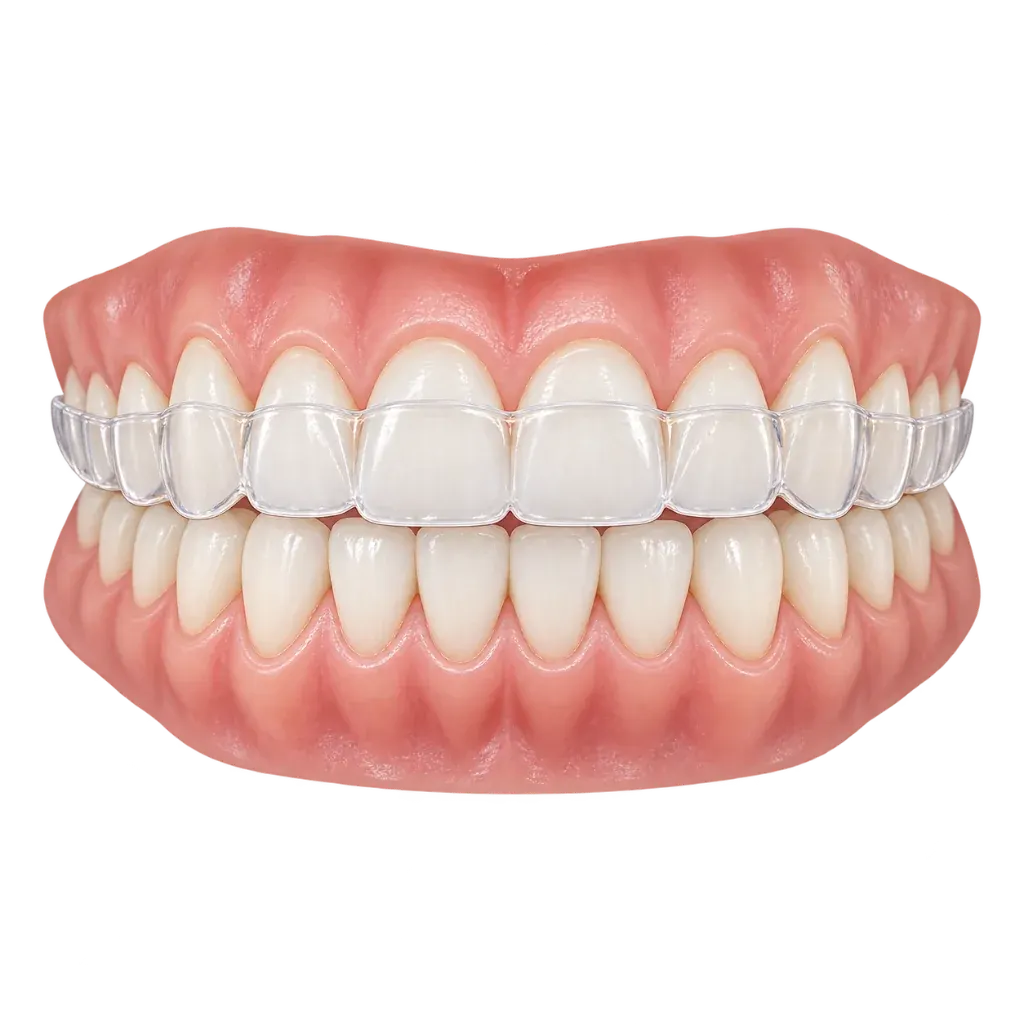
Retainers
- What it is
- A removable or fixed device that holds teeth in position after treatment.
- May suit
- Everyone finishing treatment.
Part of treatment, not an extra.
Braces or clear aligners?
Fixed braces
- How they work
- Brackets and a wire, adjusted by your dentist
- Removable
- No
- Appearance
- Visible, though some types are less noticeable
- Eating
- Some foods need avoiding
- Your part
- Careful cleaning around brackets
- Suits
- A wide range of cases, including complex ones
Clear aligners
- How they work
- Removable trays, changed step by step
- Removable
- Yes, for eating and cleaning
- Appearance
- Clear and discreet
- Eating
- Remove them to eat
- Your part
- Wearing them for most of the day, as instructed
- Suits
- Many mild to moderate cases
The right option depends on your teeth, your bite, your priorities and clinical assessment. Neither is better for everyone.
Is it right for me?
Your plan is made for you. Your dentist will look at:
- 01
Your teeth and gums
Decay and gum disease are treated first, because moving teeth needs a healthy base.
- 02
Your bite
How the upper and lower teeth meet.
- 03
The X-rays
Roots, bone and teeth that have not yet come through.
- 04
Your age and growth
Teens and adults are treated differently, and a growing jaw is considered.
- 05
Your goals
What you want to change, and what is realistic.
- 06
Your habits
For example, whether you can wear aligners as instructed.
If treatment is not needed, or if it can wait, Dr. Tripathi will tell you. You can take time to decide.
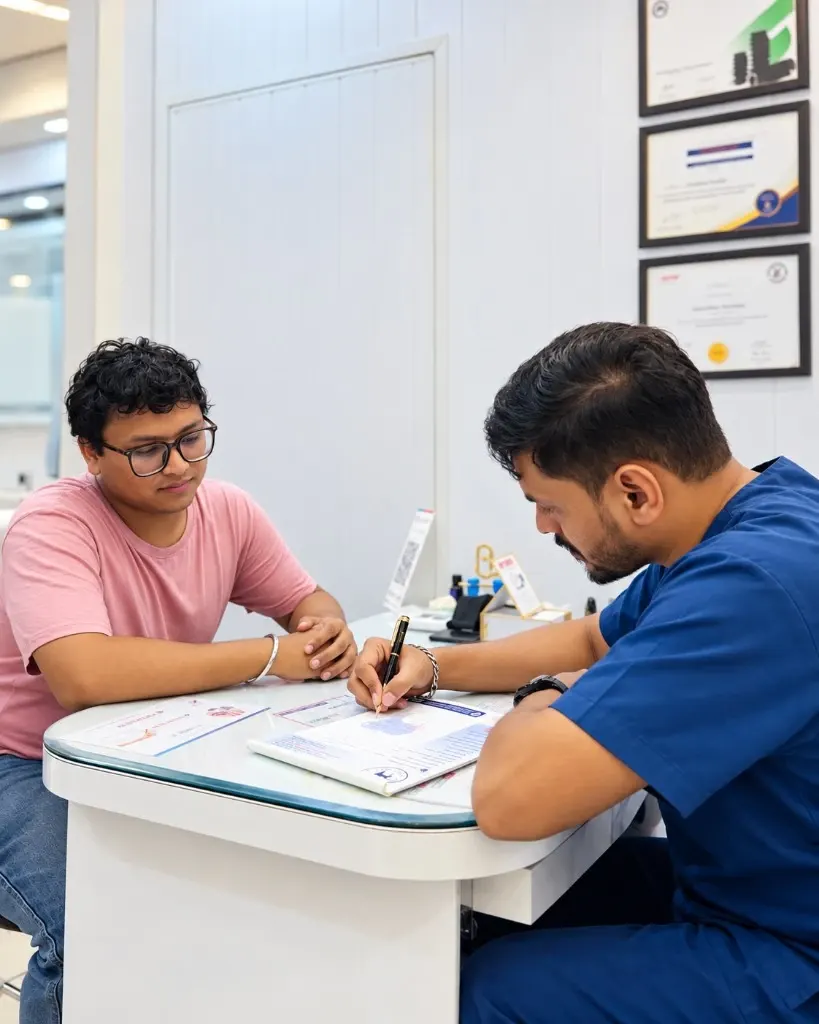
Feeling comfortable
It is normal to feel some soreness or pressure for a few days after braces are fitted, after an adjustment, or when you switch to a new aligner. This usually settles.
Braces and aligners can also feel odd against your lips and tongue at first. Your dentist will explain what is normal and how to cope. Questions are always welcome.
Why Roots & Pulp?
Dental care should feel clear, thoughtful and personal.
We listen first
Good treatment starts by understanding what brought you in, what is bothering you, and what matters to you.
We explain clearly
You should understand what we found, what your options are, and why a treatment may be recommended.
We treat thoughtfully
Recommendations are based on your individual dental needs rather than a one-size-fits-all approach.
We think beyond today
Prevention, maintenance and long term oral health are part of the same conversation.
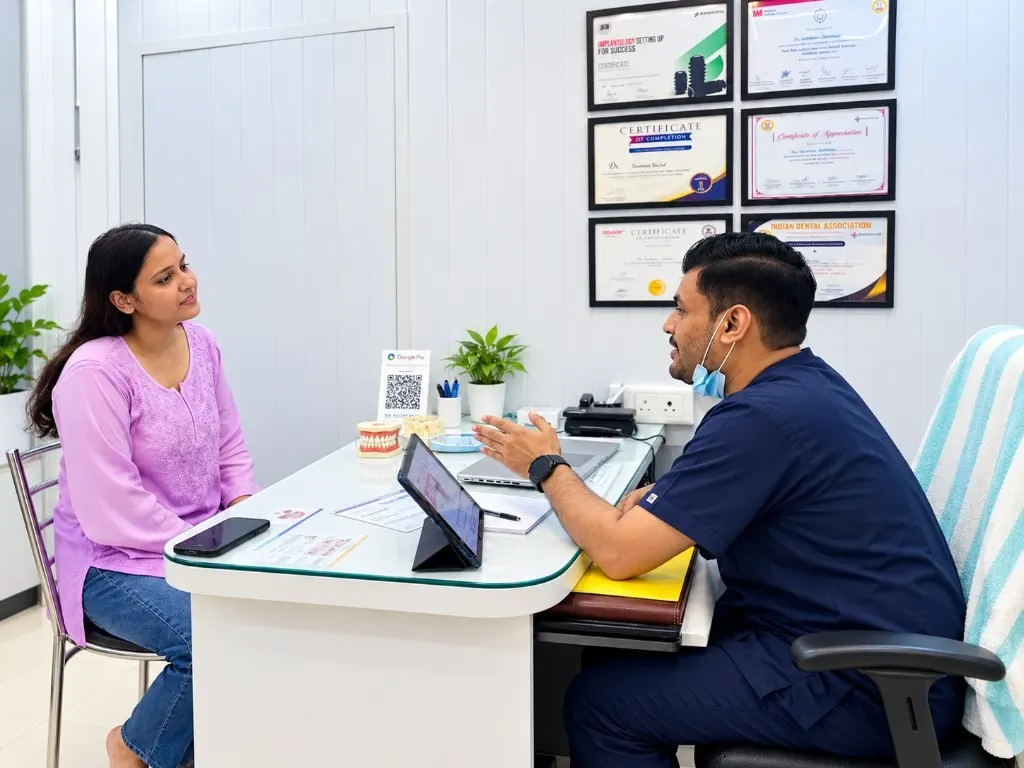
Listening first 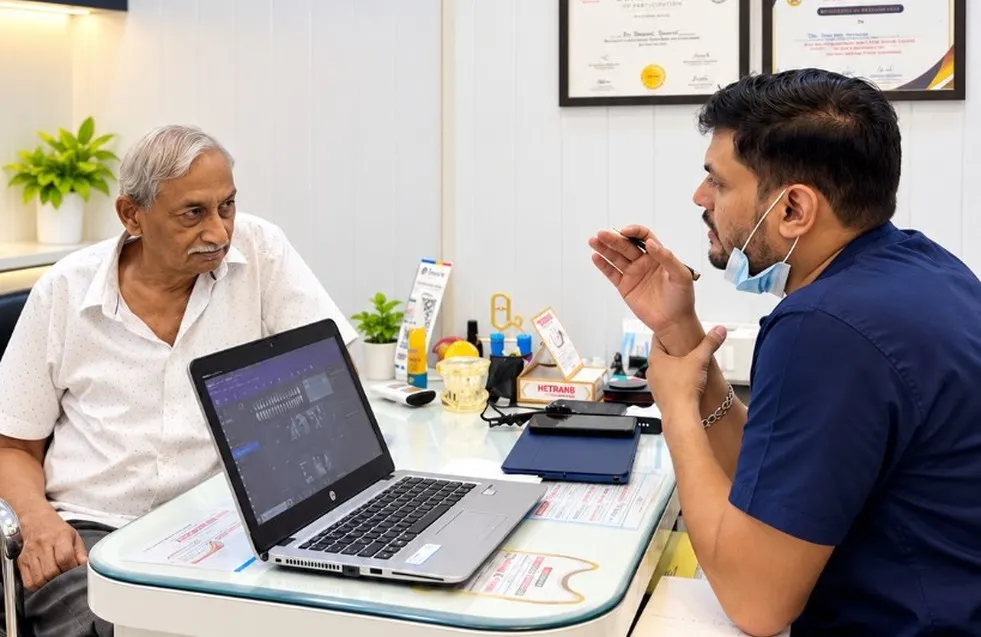
Explaining your options 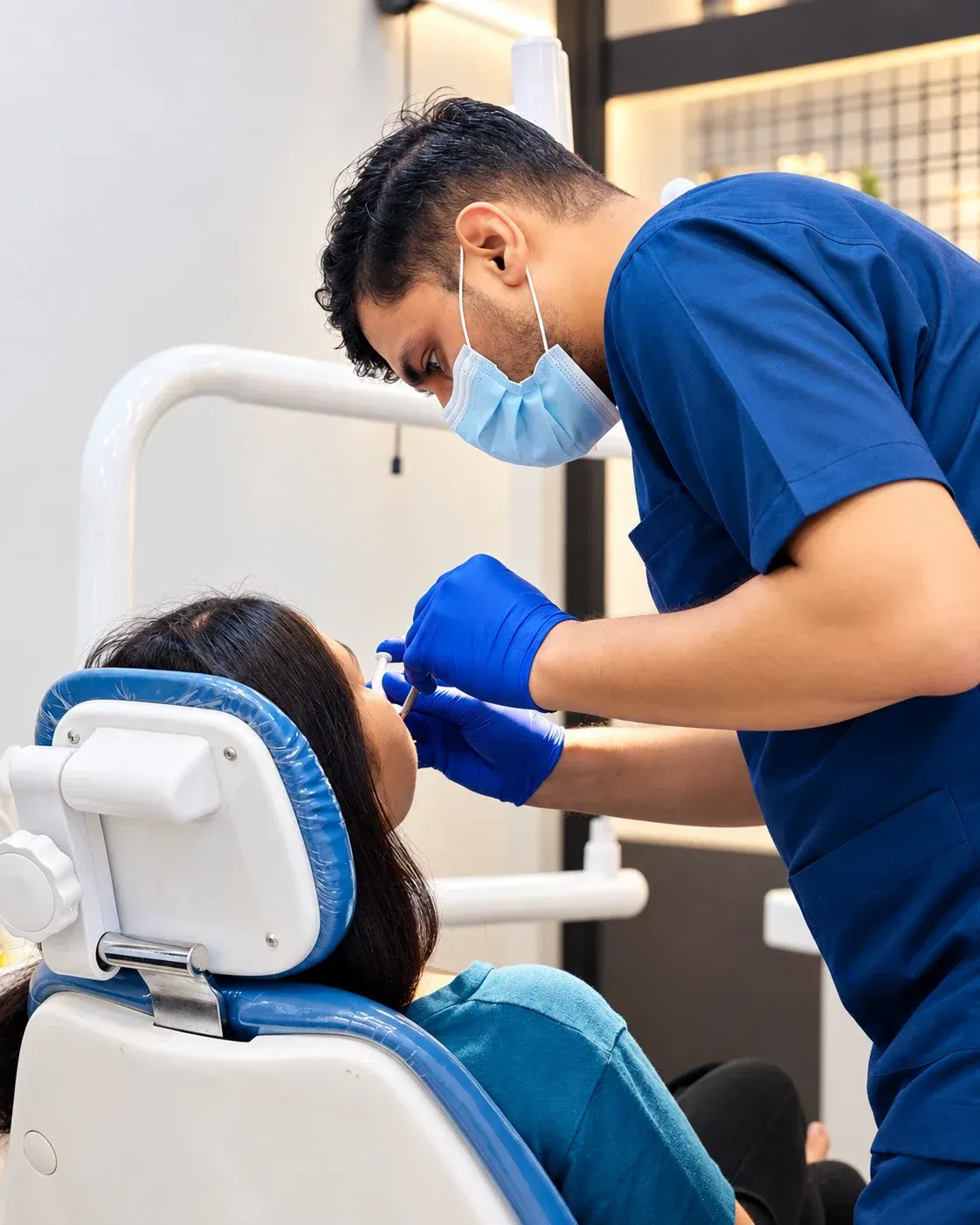
A careful examination
Your first visit is a conversation. See the clinic in the gallery

Meet your dentist
Dr. Shubham Tripathi
- BDS, MPH. Founder & Director.
- Life Member, Indian Dental Association.
- Reg. No. 20606, U.P. State Dental Council.
Read Dr. Tripathi's profile“Dental treatment can feel confusing. Findings, options and the reasoning behind a treatment plan are explained in simple, understandable terms.”
During treatment and afterwards
Your dentist's instructions always come first. This is general guidance.
- 01
The first days
Teeth can feel tender, and this tends to ease. It can return after adjustments.
- 02
Cleaning
Brush carefully, and clean around brackets or wear aligners only on clean teeth. Plaque builds up more easily around braces. Your dentist will show you how.
- 03
Eating
With braces, your dentist will list foods to avoid, usually very hard or sticky ones. With aligners, take them out to eat and drink anything other than water, as advised.
- 04
Retainers
After treatment, wear your retainer as instructed. Teeth can drift back if it is left out.
Keep your appointments. Missed visits can slow treatment.
When should I contact my dentist?
Please call the clinic if you notice:
- a bracket or wire that has come loose, or a wire that is sticking into your cheek
- an aligner that has cracked, is lost or no longer fits
- pain that is severe or getting worse
- swelling of the gums or face
- a sore in the mouth that does not heal
For difficulty breathing or swallowing, or swelling spreading toward the eye or neck, seek emergency medical care straight away.
What affects the cost of braces and aligners?
We do not publish a fixed price, because every case is different. The main factors are:
- 01
How complex the case is
Mild alignment changes differ from complex bite problems.
- 02
The treatment type
Fixed braces or clear aligners.
- 03
How long treatment takes
Longer treatment means more check-ups.
- 04
Records
X-rays, photographs and impressions or scans.
- 05
Other treatment needed first
For example, fillings or gum care.
- 06
Retainers
Needed afterwards.
After an examination, Dr. Tripathi gives you a clear plan and estimate before treatment begins.
Common questions
Straight answers about braces and aligners. For anything else, call or send a WhatsApp message.
Braces are not usually painful, but teeth can feel sore and tender for a few days after fitting and after adjustments. This generally settles. Your dentist will explain what to expect and how to cope with it.
It depends on how far the teeth need to move and on how well the plan is followed. Treatment commonly takes many months, and some cases take longer. Dr. Tripathi will give an estimate once he has examined you.
Yes. Many adults have treatment, and it is not only for teenagers. Healthy gums and teeth are needed, and your dentist will check these first.
Braces are fixed to the teeth and adjusted by your dentist. Aligners are removable trays, sometimes searched for as “invisible braces”, though they are visible up close. Each suits different cases, and your dentist will advise which fits you.
Cost depends on how complex your case is, the treatment type, how long it takes, the records needed and retainers. After an examination at our Aliganj clinic, you will receive a clear plan and estimate before treatment begins.
No. They suit many mild to moderate cases, and need to be worn for most of the day. Some bites need braces. Your dentist will tell you honestly what he thinks will work best.
Usually, yes. Teeth can slowly drift back after treatment, and a retainer helps hold them in place. Your dentist will explain what type you need and how long to wear it.
Your dentist will give you a list. In general, very hard, sticky or chewy foods are avoided, because they can damage brackets or wires. Cut harder food into small pieces, and clean carefully after eating.
It depends on the child's teeth and jaw growth, and there is no single age. A dental check can show whether treatment is needed now or can wait.
Booking ahead means shorter waits, so we recommend calling, WhatsApp or booking online. We are open Monday to Saturday 10:00 AM to 8:00 PM and Sunday 10:00 AM to 5:00 PM.

Curious what straighter teeth would involve?
An examination is the simplest way to find out what is possible for you. Dr. Tripathi will explain your options, the timeline and the cost, with no pressure.
Roots & Pulp Dental Clinic, ED-362, Sector-Q, Aliganj, Lucknow. Near Saraswati Vidya Mandir School. Open seven days.