
Gum & Oral Health
Gum Treatment in Lucknow
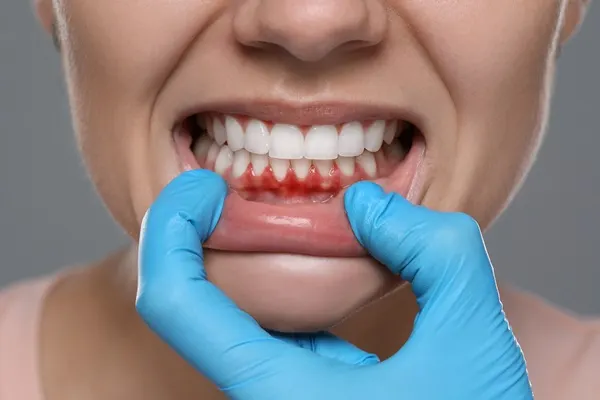
Bleeding gums are worth checking, not ignoring.
Healthy gums are the foundation of healthy teeth. If your gums bleed, look swollen or have started to pull away from your teeth, an examination can show what is happening and what can help. At Roots & Pulp in Aliganj, Dr. Shubham Tripathi also checks your mouth for early signs of oral cancer.
At a glance
- What it treats
- Bleeding, swollen or receding gums, and gum disease.
- Also includes
- Oral cancer screening.
- Planning
- Starts with an examination of your gums and an X-ray if needed.
- Early is easier
- Gum problems are generally simpler to manage when caught early.
- Long term
- Good home care and regular visits matter as much as treatment.
Could this be relevant to you?
These are common reasons people ask a dentist about their gums.
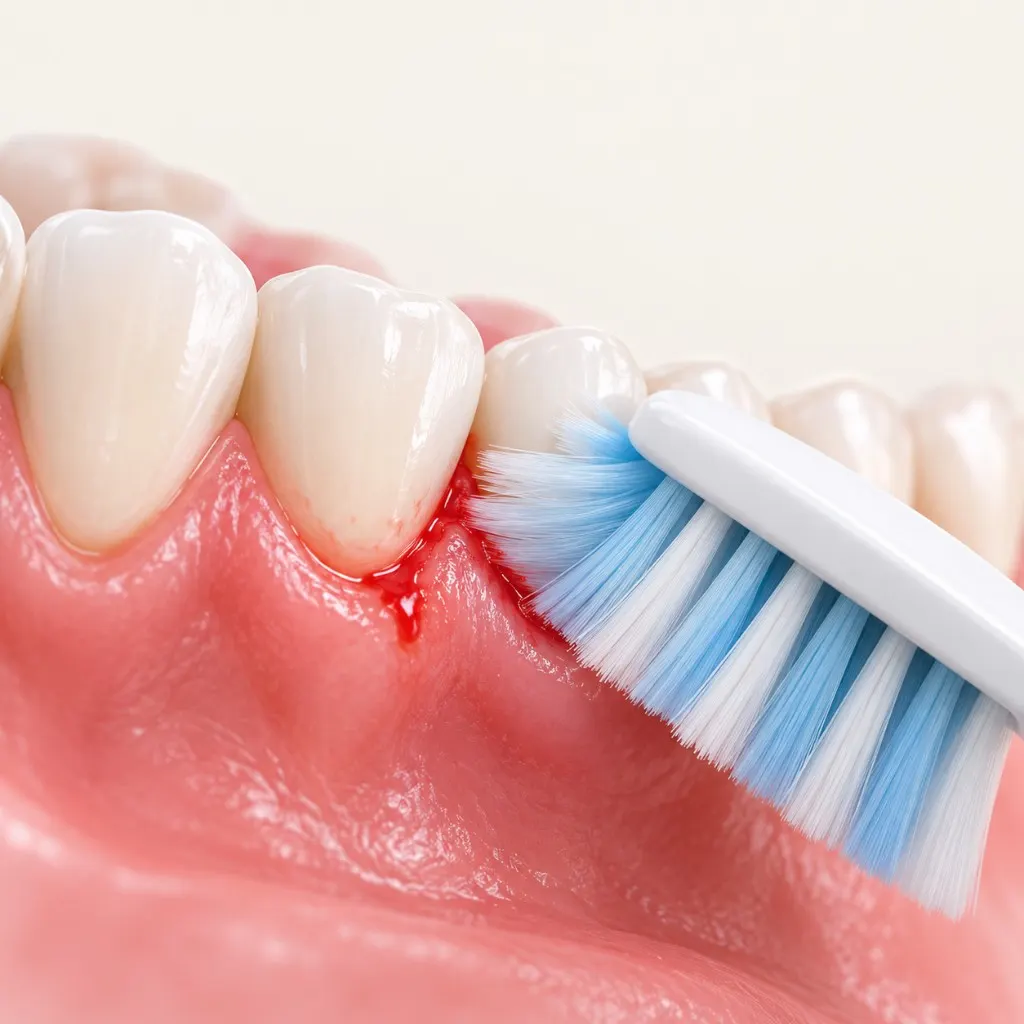
Bleeding when you brush or clean between your teeth
This is the most common sign.
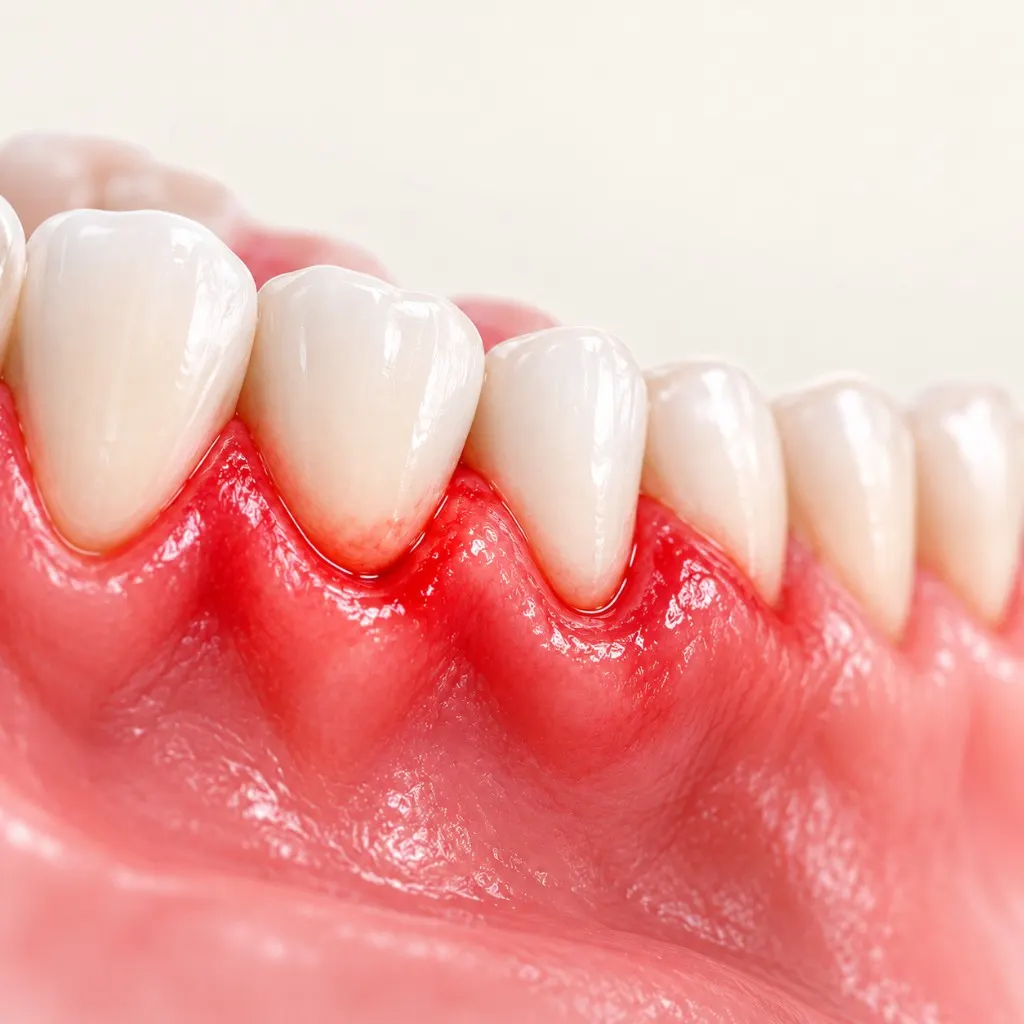
Red, swollen or tender gums
Healthy gums are usually pink and firm.
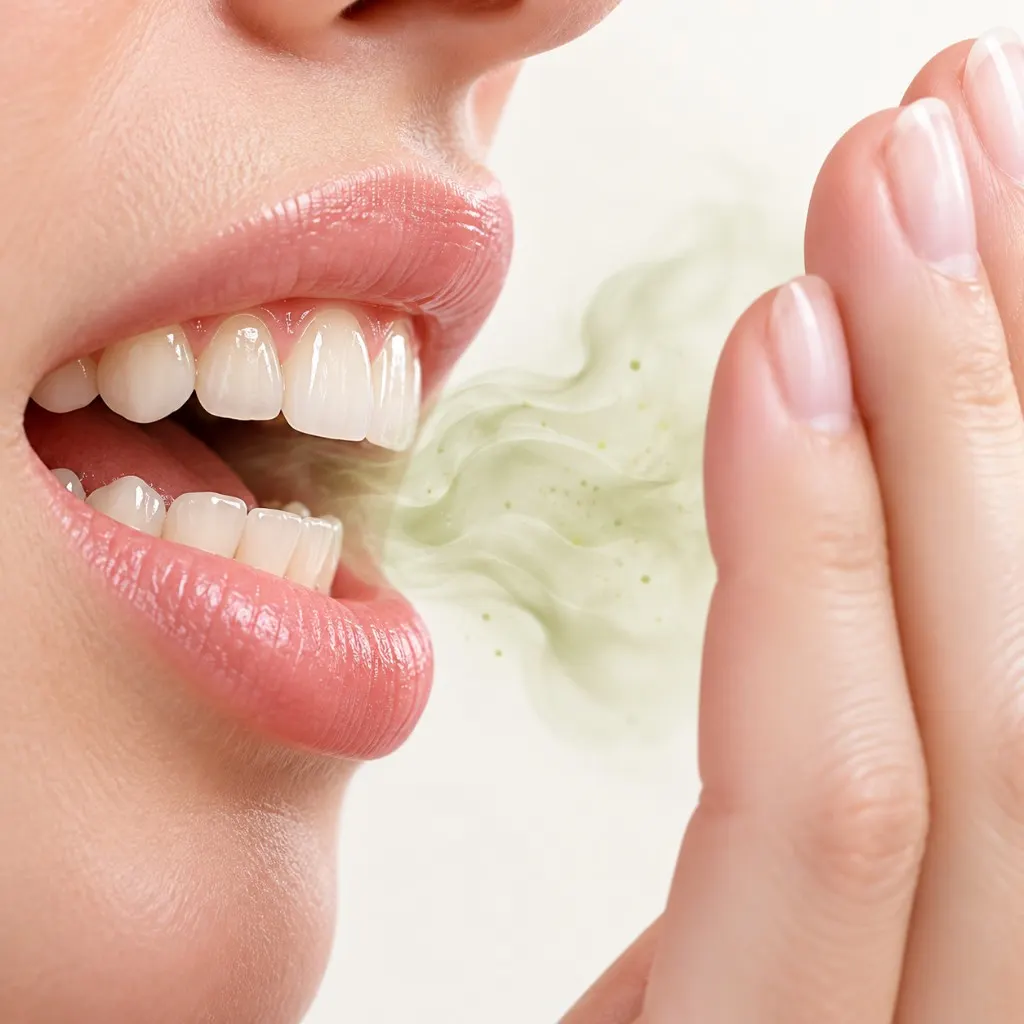
Bad breath that does not go away
Or a bad taste in your mouth.
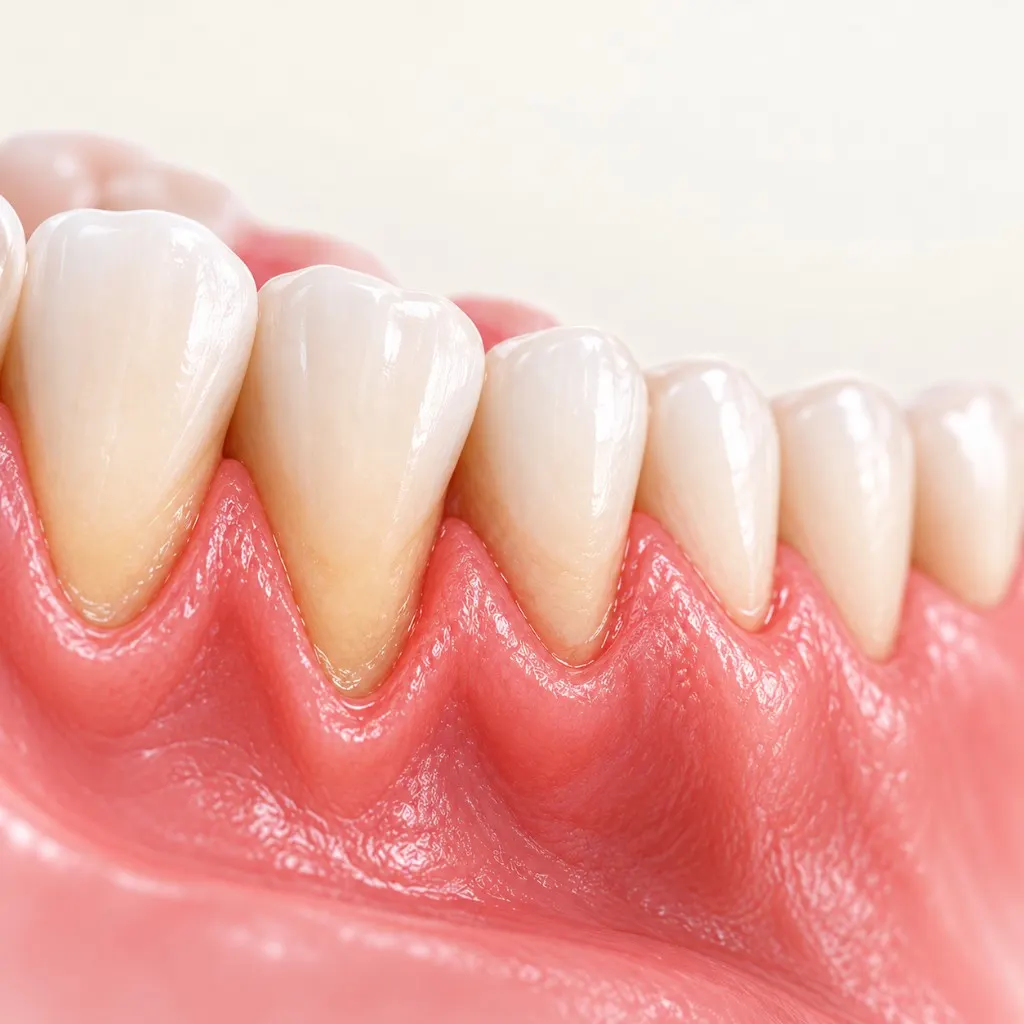
Gums pulling away from your teeth
Teeth may look longer, or feel sensitive.
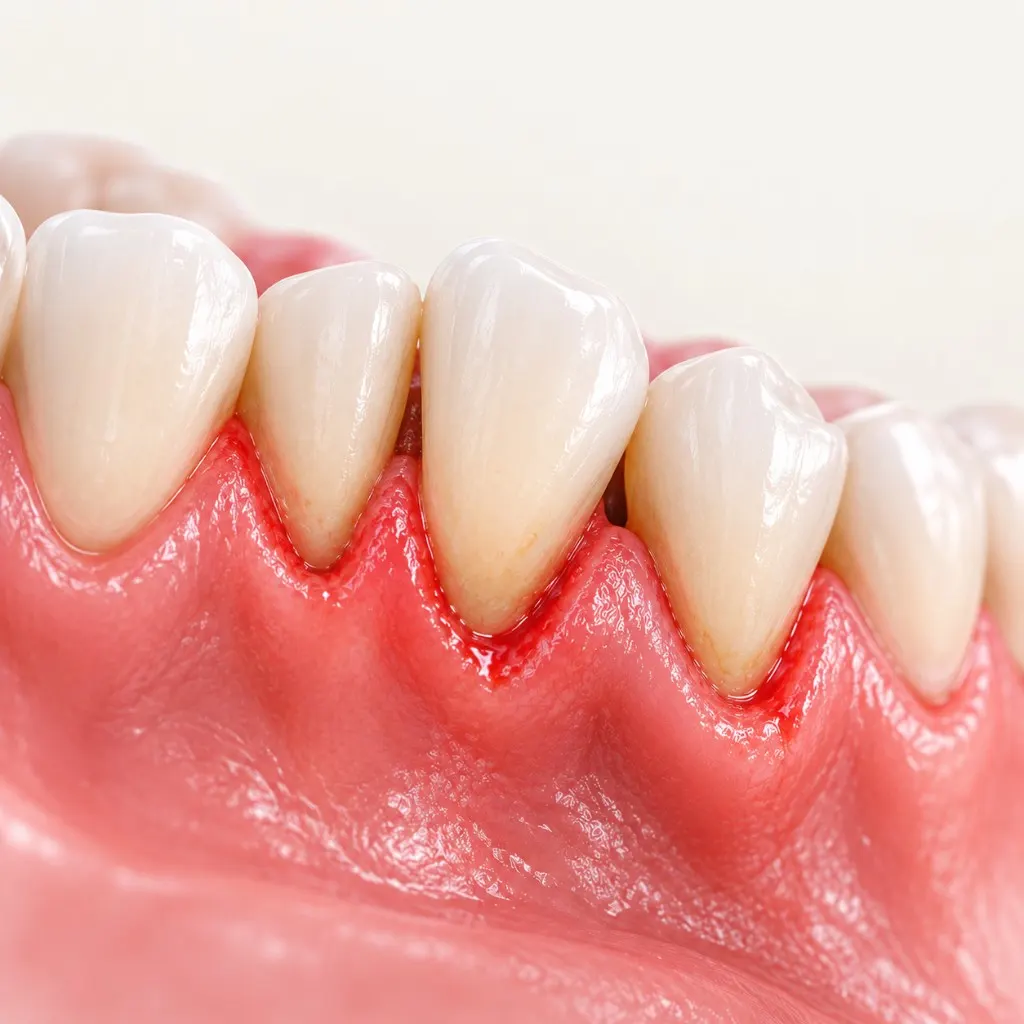
Teeth that feel loose or have moved
Or a change in how your bite fits together.
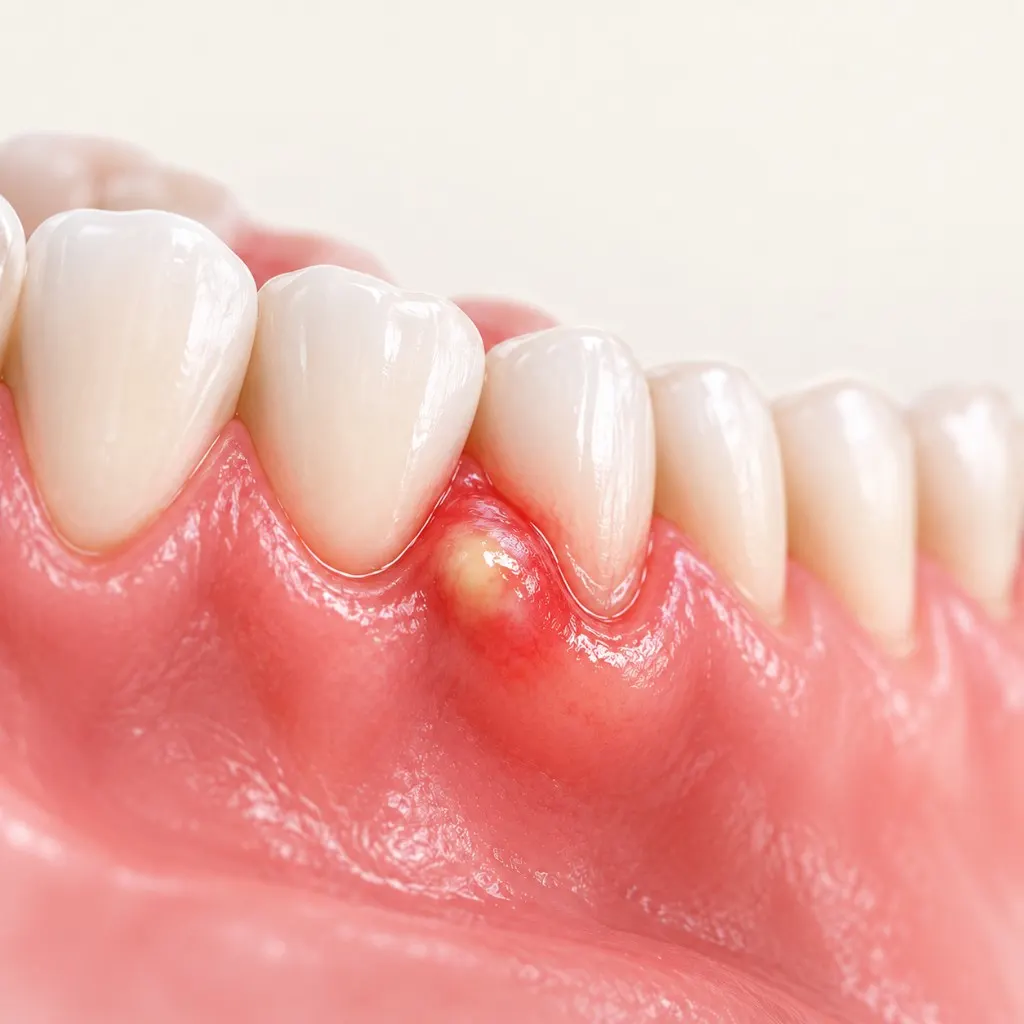
Pus or a bump on the gum
Sometimes with tenderness.
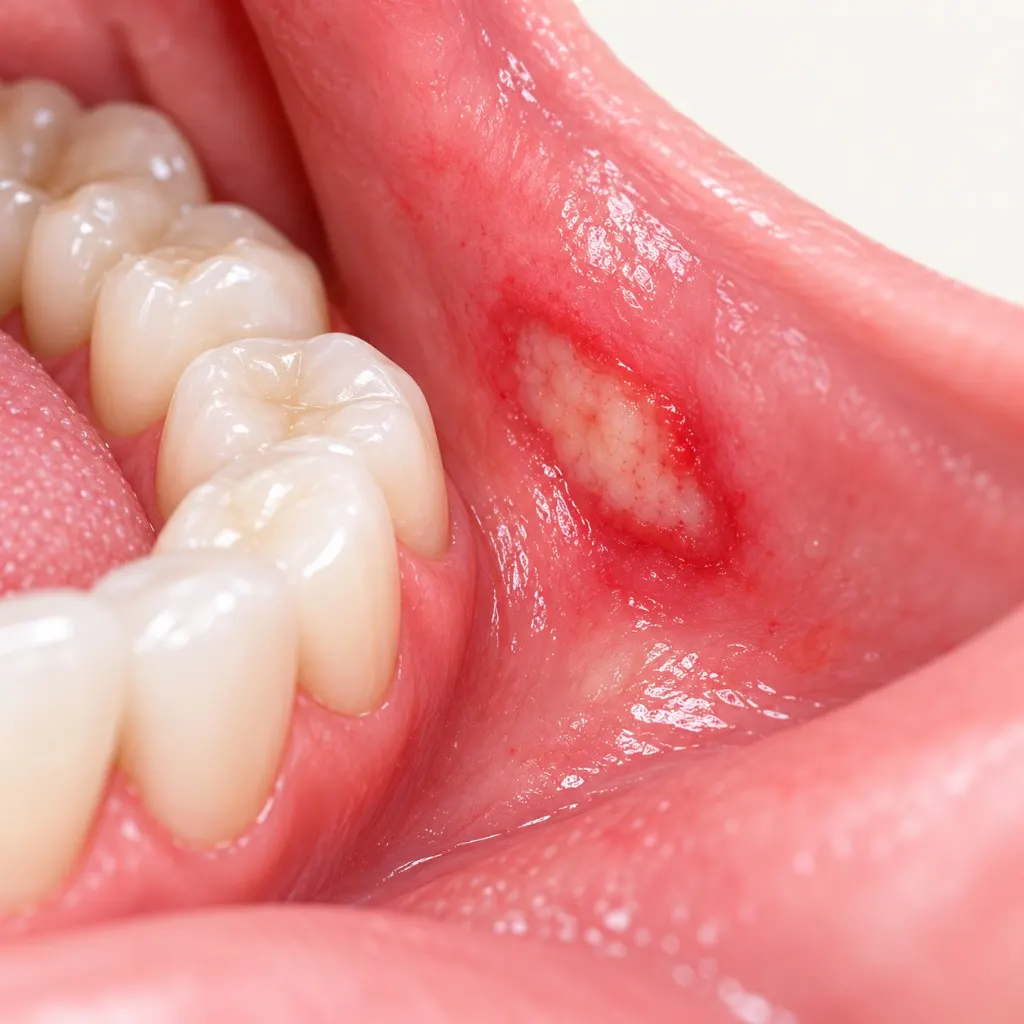
A mouth ulcer, lump or patch that does not heal
See the oral cancer screening section below.
These signs can have different causes. An examination helps find out what is happening and what, if anything, is needed.
What is gum disease?
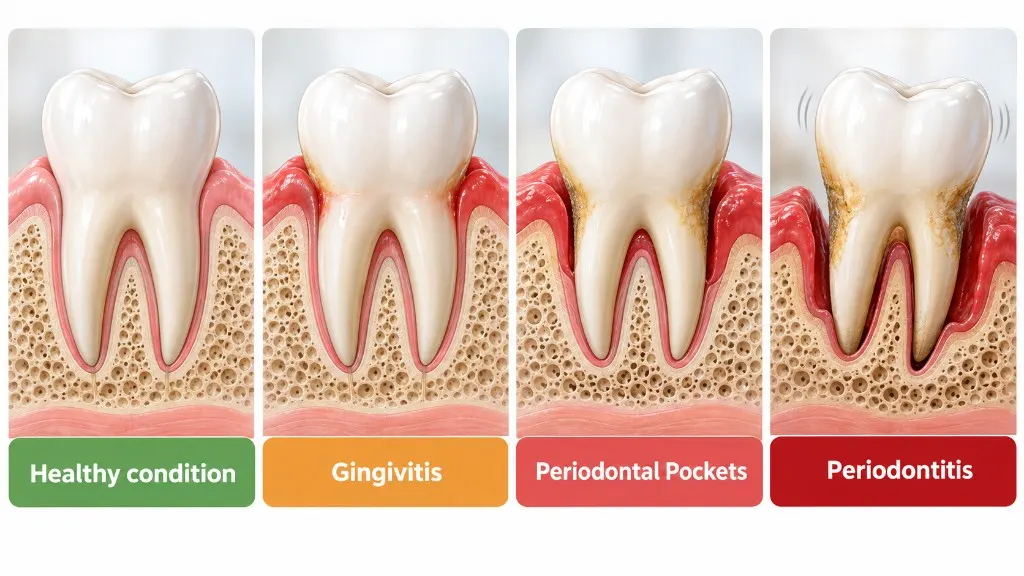
Plaque is a sticky film of bacteria that builds up on teeth every day. If it is not cleaned away, it can irritate the gums and make them inflamed.
This early stage is called gingivitis. It is common, and usually goes away with good cleaning at home and a professional clean.
If it is left, the inflammation can spread deeper, and the tissues that support the teeth can start to break down. This more advanced stage is called periodontitis.
What happens during gum treatment
Every mouth is different, so your own plan may vary. This is the general journey.
Listening and examination
Dr. Tripathi asks about your symptoms, health and habits, then examines your gums and teeth. He may measure the space between your gum and tooth with a small instrument.
X-ray, if needed
An X-ray can show the bone that supports your teeth, and how much of it remains.
Explaining what he finds
With an intraoral camera, you can see your own gums and teeth on screen, while he explains what is happening.
Your plan
You hear the options, what each involves, how many visits are likely and an estimate of cost. There is no pressure to decide on the day.
Professional cleaning
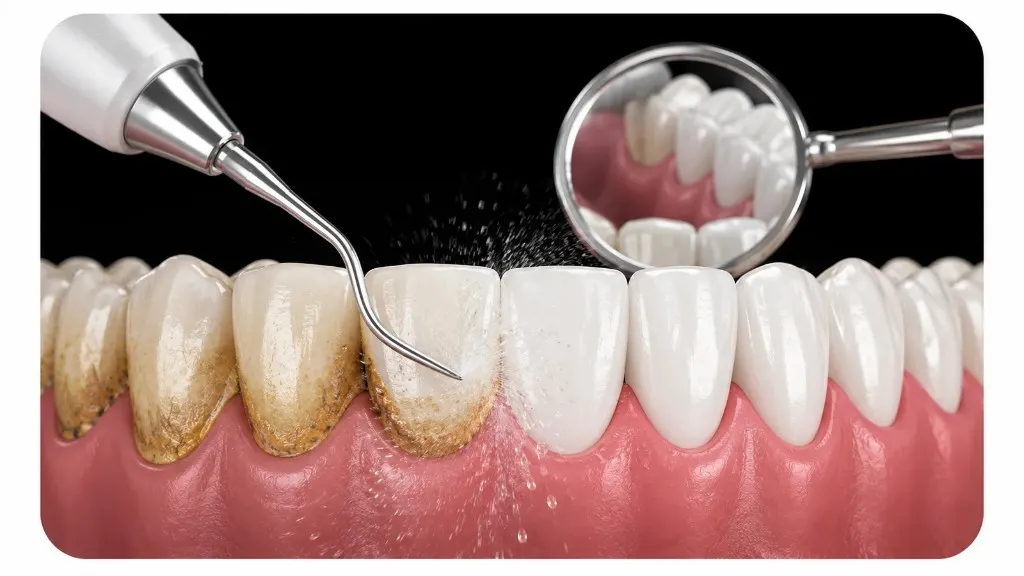
Plaque and tartar are removed from above and, where needed, just below the gumline.
Review and maintenance
Your gums are rechecked to see how they have responded, and you are shown how to keep them healthy. A follow-up schedule is agreed.
The number of visits and the type of treatment depend on your gums. Dr. Tripathi will explain what to expect for you.
Your options
Early and advanced gum problems
Early (gingivitis)
- What is affected
- The gums only
- Common signs
- Bleeding, redness, swelling
- Can it be reversed?
- Usually, with good cleaning and care
- Typical approach
- Professional clean and better home care
- Why it matters
- Easy to turn around
Advanced (periodontitis)
- What is affected
- The gums and the bone and tissue supporting teeth
- Common signs
- Gums pulling away, bad breath, loose teeth, bone loss on X-ray
- Can it be reversed?
- Damage already done cannot be reversed, but it can often be managed
- Typical approach
- Deeper cleaning and closer follow-up, sometimes more
- Why it matters
- Can lead to loose or lost teeth if not controlled
Only an examination can tell which stage applies to you, so please do not diagnose yourself from a table. The right approach depends on your oral health and clinical assessment.
Oral cancer screening
A screening is a careful check of your mouth for changes that may need a closer look. It is usually a quick look at, and gentle feel of, your lips, cheeks, tongue, the floor and roof of your mouth, and your neck.
It is useful for anyone, and particularly for people who smoke or use tobacco in any form, including chewing tobacco, gutka and paan, or who drink alcohol regularly.
Most changes in the mouth turn out to be harmless. Finding any that are not, early, gives the best chance of treating them.
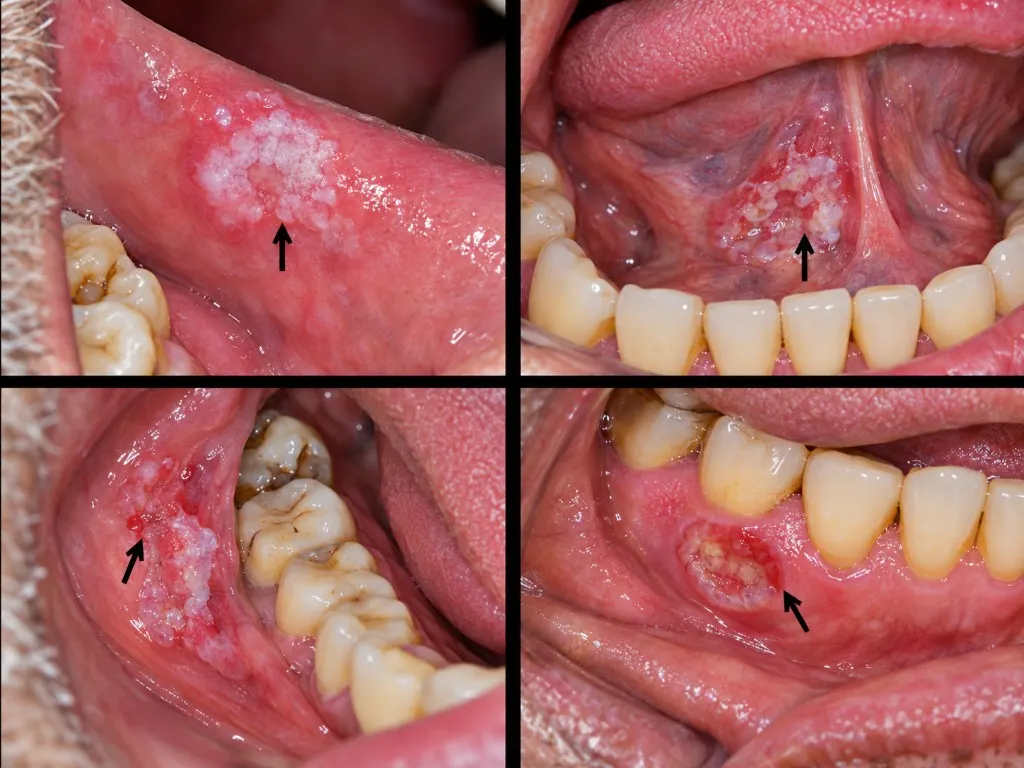
Please see a dentist or doctor if you notice
- a mouth ulcer that has not healed within three weeks
- a white or red patch that stays
- a lump or thickening in the mouth or neck
- unexplained bleeding, numbness, or difficulty swallowing or moving your tongue
If anything needs a closer look, Dr. Tripathi will explain what he has seen and what the next step is.
How your dentist decides
Your plan is made for you. Your dentist will look at:
- 01
Your gums
Their colour, firmness, bleeding and the space around each tooth.
- 02
The X-ray
How much supporting bone remains.
- 03
Your teeth
Whether any are loose, or have moved.
- 04
Your habits
Cleaning, diet, and smoking or tobacco use, which affect gum health.
- 05
Your health
Some conditions, such as diabetes, can affect gums, and gum disease can affect them. Please tell us about any you have.
- 06
Your priorities
Time, comfort and what you want to protect.
If treatment can wait, or is not needed, Dr. Tripathi will say so.

Feeling comfortable
Inflamed gums can be tender, so a clean may feel more sensitive than you expect. Tell Dr. Tripathi if anything is uncomfortable, and he can adjust or pause.
Where numbing is needed, it is used. Questions are always welcome, including worries about what the findings mean.
Why Roots & Pulp?
Dental care should feel clear, thoughtful and personal.
We listen first
Good treatment starts by understanding what brought you in, what is bothering you, and what matters to you.
We explain clearly
You should understand what we found, what your options are, and why a treatment may be recommended.
We treat thoughtfully
Recommendations are based on your individual dental needs rather than a one-size-fits-all approach.
We think beyond today
Prevention, maintenance and long term oral health are part of the same conversation.
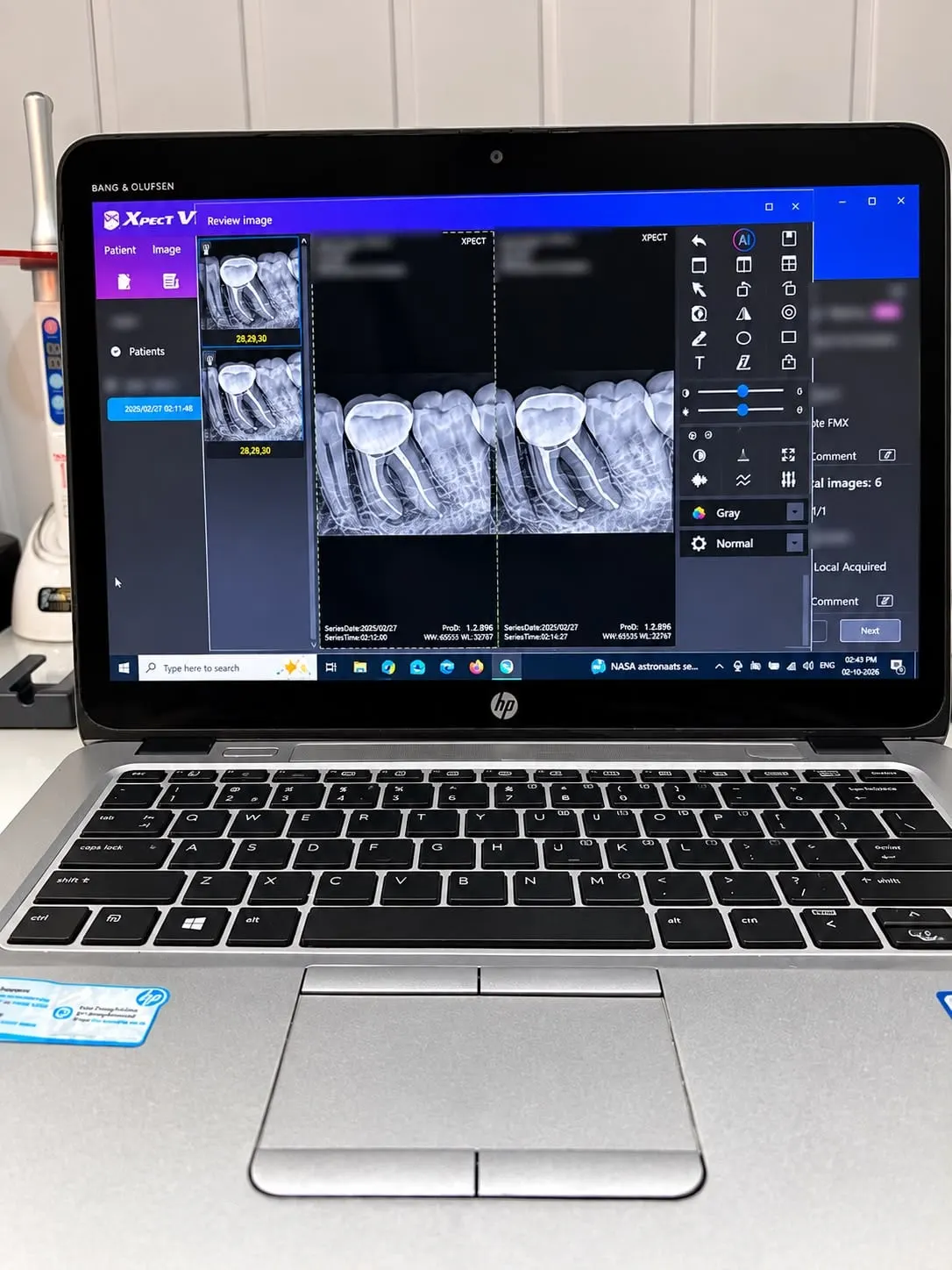
Digital X-rays at Roots & Pulp 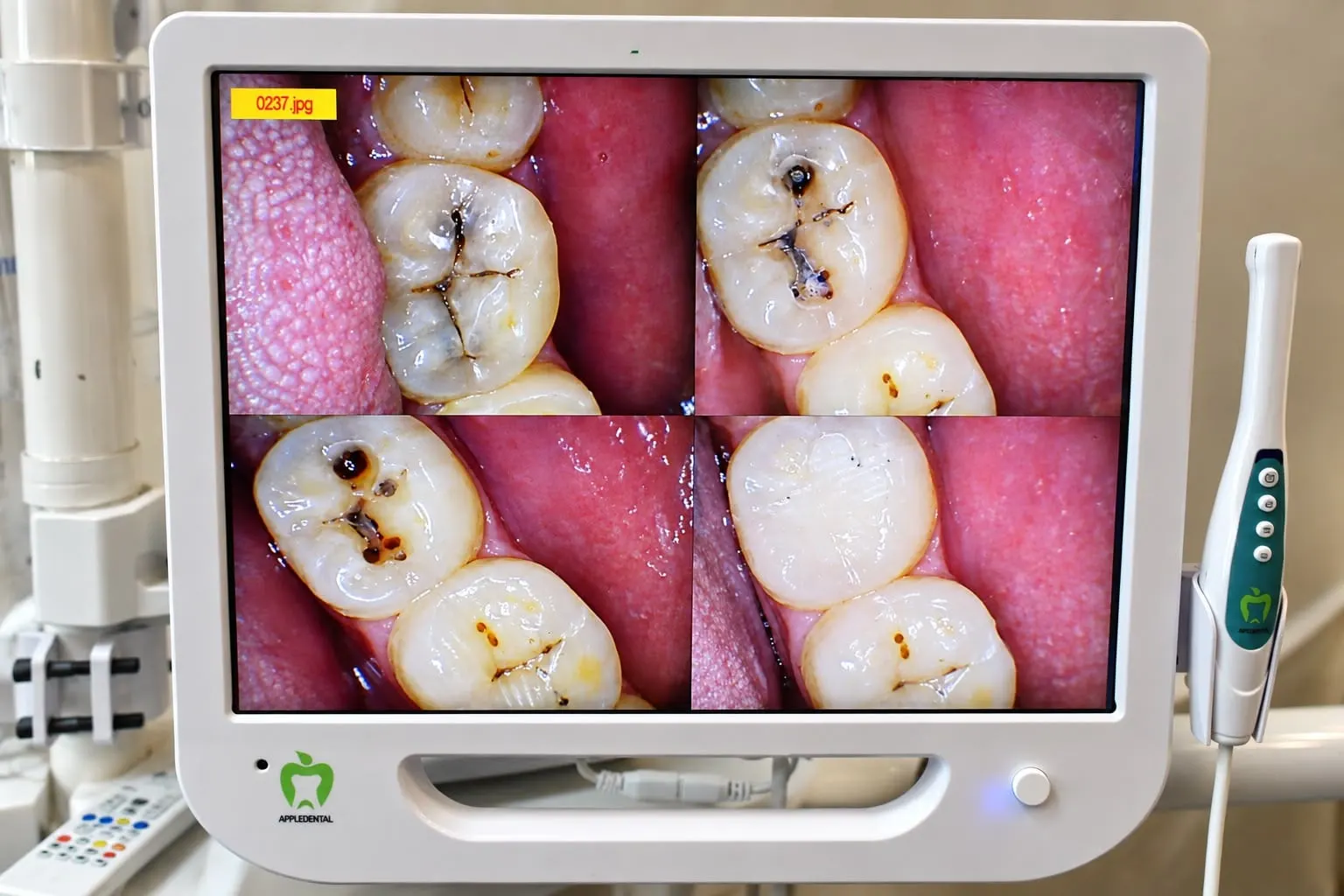
See your own teeth on screen
Examination at Roots & Pulp. See more in the gallery

Meet your dentist
Dr. Shubham Tripathi
- BDS, MPH. Founder & Director.
- Life Member, Indian Dental Association.
- Reg. No. 20606, U.P. State Dental Council.
His training in public health shapes an emphasis on prevention, early attention to dental concerns and helping patients keep their teeth healthy.
Read Dr. Tripathi's profileAfterwards, and keeping your gums healthy
Your dentist's instructions always come first. This is general guidance.
- 01
Straight after
Gums can be tender and may bleed slightly. This usually settles in a day or two.
- 02
Sensitivity
Teeth can feel more sensitive once tartar is gone, especially where gums have receded. It usually eases. Tell us if it does not.
- 03
Every day
Brush gently twice a day with a soft brush, and clean between your teeth. Your dentist will show you the technique that suits you.
- 04
Long term
Gum disease can return. Regular check-ups, professional cleans and avoiding tobacco help protect your gums.
Keep your review appointments. They are how problems are caught early.
When should I contact my dentist?
Please call the clinic if you notice:
- gum bleeding that does not settle, or is getting heavier
- swelling, pus, or a painful lump on the gum
- a tooth that is becoming loose
- a mouth ulcer, lump or patch that has not healed within three weeks
- pain that is getting worse
For difficulty breathing or swallowing, or swelling spreading toward the eye or neck, seek emergency medical care straight away.
What affects the cost of gum treatment?
We do not publish fixed prices, because every mouth is different. The main factors are:
- 01
How advanced the problem is
Early inflammation differs from advanced gum disease.
- 02
How much of the mouth is affected
One area, or several.
- 03
The type of treatment
A routine clean, or deeper cleaning.
- 04
How many visits
More complex cases need more.
- 05
X-rays
Needed to see the bone.
- 06
Maintenance
Regular reviews and cleans afterwards.
After an examination, Dr. Tripathi will explain what you need and what it will cost before you begin.
Common questions
Straight answers about gum health. For anything else, call or send a WhatsApp message.
The most common cause is plaque building up along the gumline and irritating the gums. Bleeding does not mean you should stop brushing. It usually means the gums need better cleaning. If it continues for more than a week or two, have your gums checked.
Early gum disease (gingivitis) can usually be reversed with good cleaning. More advanced disease cannot be reversed once bone has been lost, but it can often be controlled with treatment and regular care. An examination shows which applies.
Gum tissue does not usually grow back by itself. The cause is found and treated to stop it getting worse, and sensitivity can be managed. If more specialised treatment is needed, Dr. Tripathi will explain, including whether a referral is appropriate.
Inflamed gums can be tender, so some discomfort is possible. Numbing is used where needed, and you can tell Dr. Tripathi at any point if you feel anything. Gums are often sore for a day or two afterwards.
Not necessarily. Most gum problems can be managed, especially when found early. Advanced gum disease can lead to loose teeth if it is not controlled, which is why early checks matter. Dr. Tripathi will tell you honestly where you stand.
It depends on how advanced the problem is and how much of the mouth is affected. Early problems may need little more than a clean and better home care. Dr. Tripathi will outline what to expect after examining you.
It depends on how advanced the problem is, how much of the mouth is affected, the type of treatment, the number of visits and X-rays needed. After an examination at our Aliganj clinic, you will be told the cost before you begin.
It is a careful check of your mouth, tongue, cheeks and neck for changes that may need a closer look. Anyone can have it, and it is especially worthwhile if you smoke or use tobacco, including chewing tobacco and paan, or drink alcohol regularly.
Most mouth ulcers are harmless and heal within one to two weeks. If an ulcer has not healed after three weeks, or you notice a lump, a white or red patch or unexplained bleeding, please have it checked promptly.
Booking ahead means shorter waits, so we recommend calling, WhatsApp or booking online. We are open Monday to Saturday 10:00 AM to 8:00 PM and Sunday 10:00 AM to 5:00 PM.
Noticed something with your gums? Start with a check
Gum problems are easier to manage when they are found early. Dr. Tripathi will examine your gums and mouth, and explain what he finds in plain words.
Roots & Pulp Dental Clinic, ED-362, Sector-Q, Aliganj, Lucknow. Near Saraswati Vidya Mandir School. Open seven days.