Surgical Treatment
Tooth Extraction in Lucknow
When a tooth cannot be saved, a clear plan makes the next step easier.
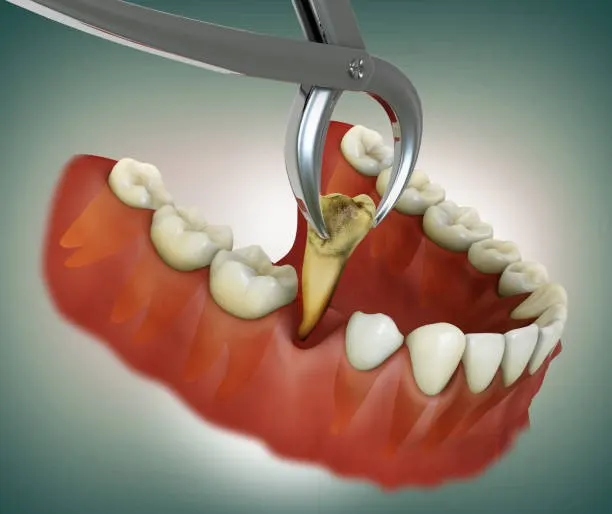
Removing a tooth is never the first choice, but sometimes it is the right one. At Roots & Pulp in Aliganj, Dr. Shubham Tripathi will examine the tooth, tell you honestly whether it can be saved, and explain what happens before and after.
At a glance
- When it is considered
- When a tooth is too damaged, infected or loose to be saved.
- First choice
- Saving the tooth is considered first, where it is possible.
- Planning
- Starts with an examination and usually an X-ray.
- Comfort
- The area is numbed before the tooth is removed.
- Afterwards
- Clear aftercare advice, and a talk about replacing the tooth if needed.
Why a tooth may need to be removed
A dentist will always try to keep your natural teeth where it is sensible to do so. Removal may be recommended when:
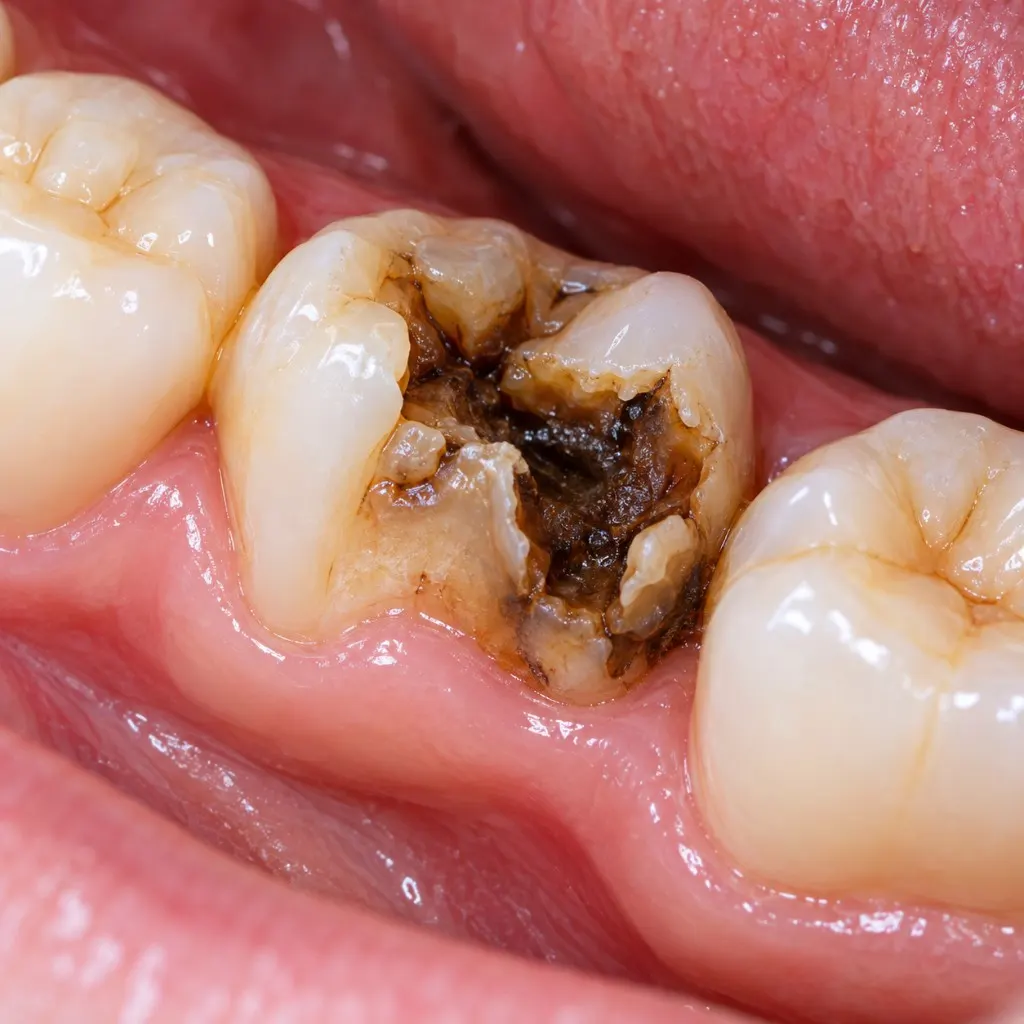
Severe decay
So much of the tooth is lost that it cannot be rebuilt.
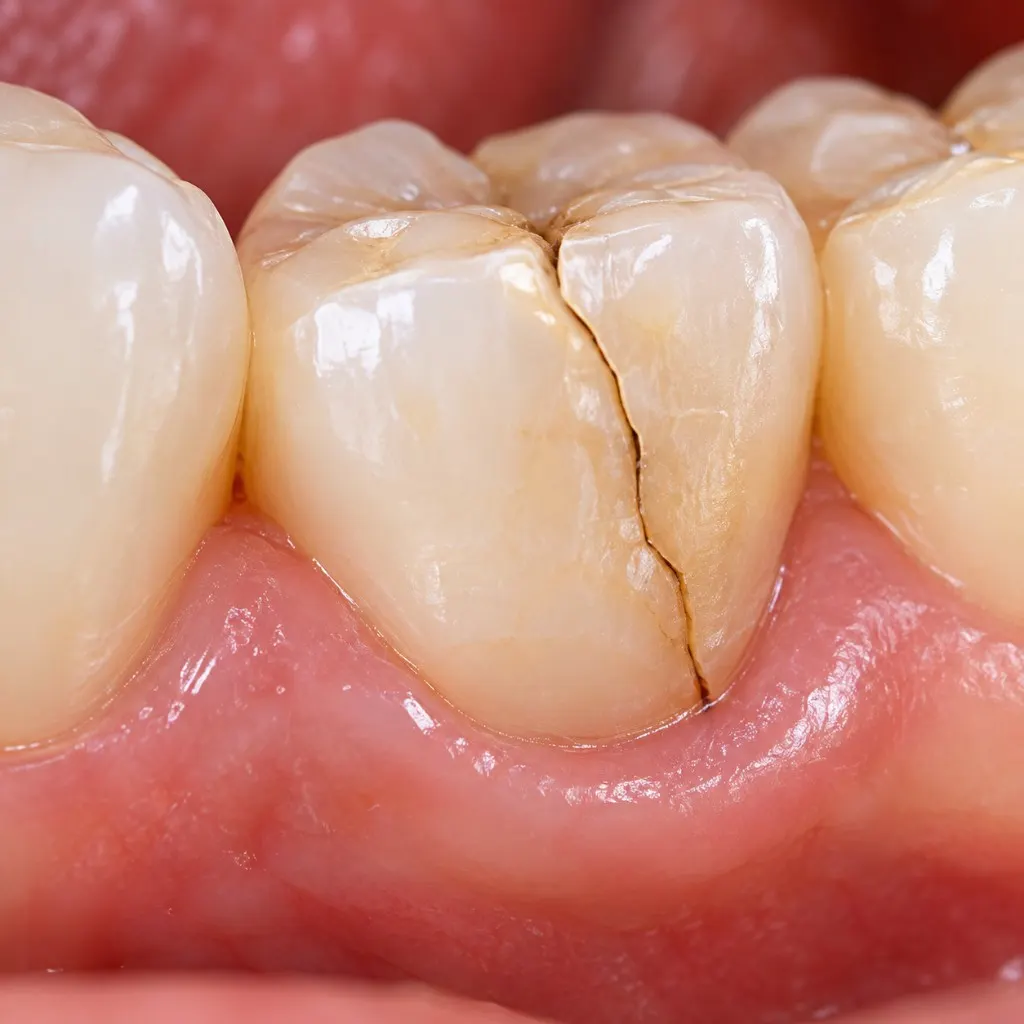
A broken tooth
A crack or break that extends below the gum.
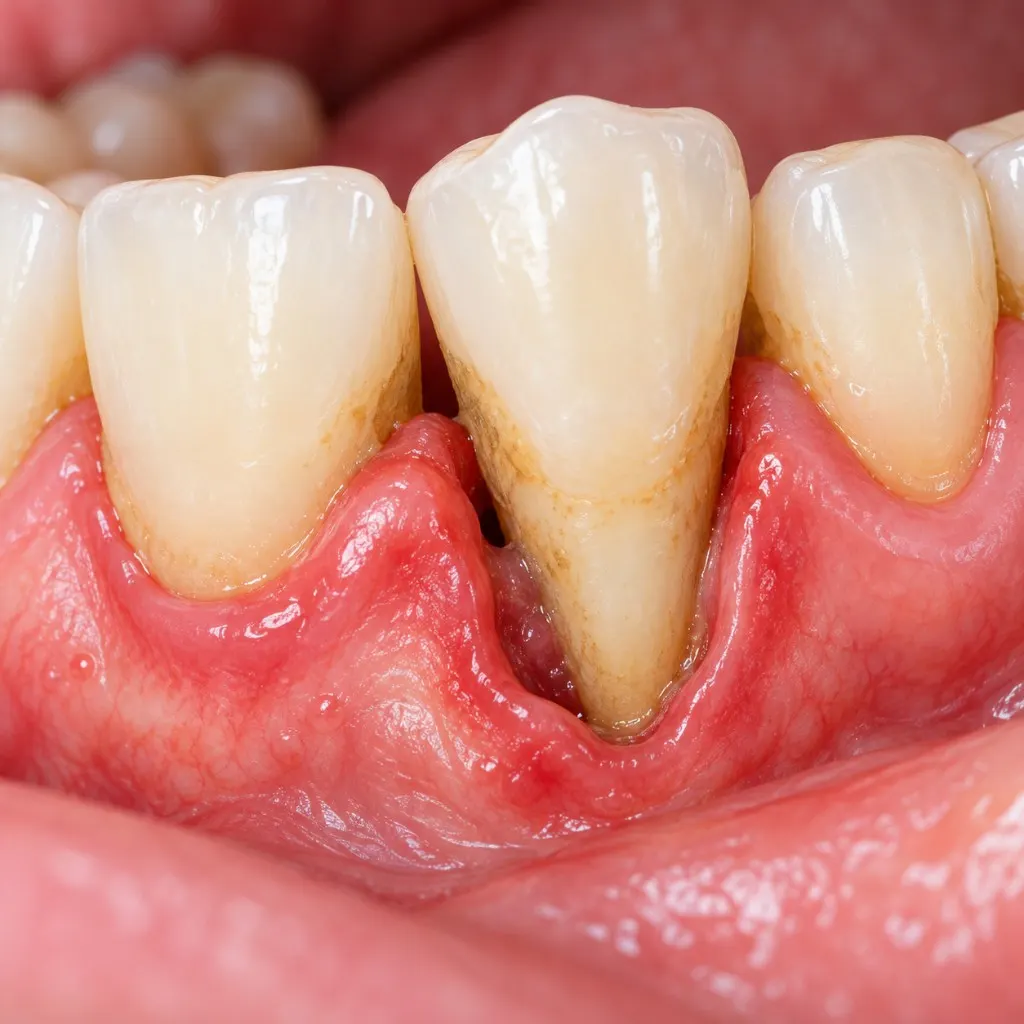
Advanced gum disease
The tooth has lost its support and has become loose.
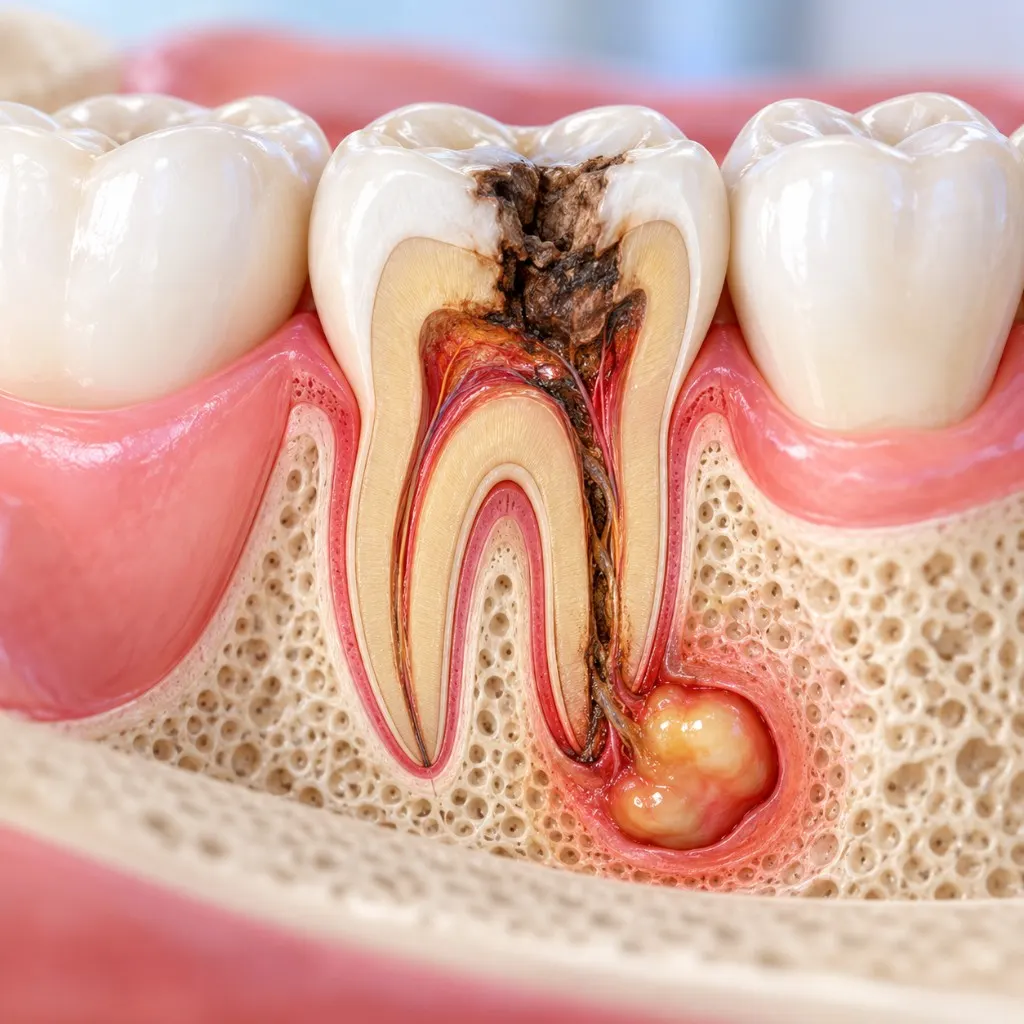
An infection that cannot be treated
Where other treatment is not suitable.
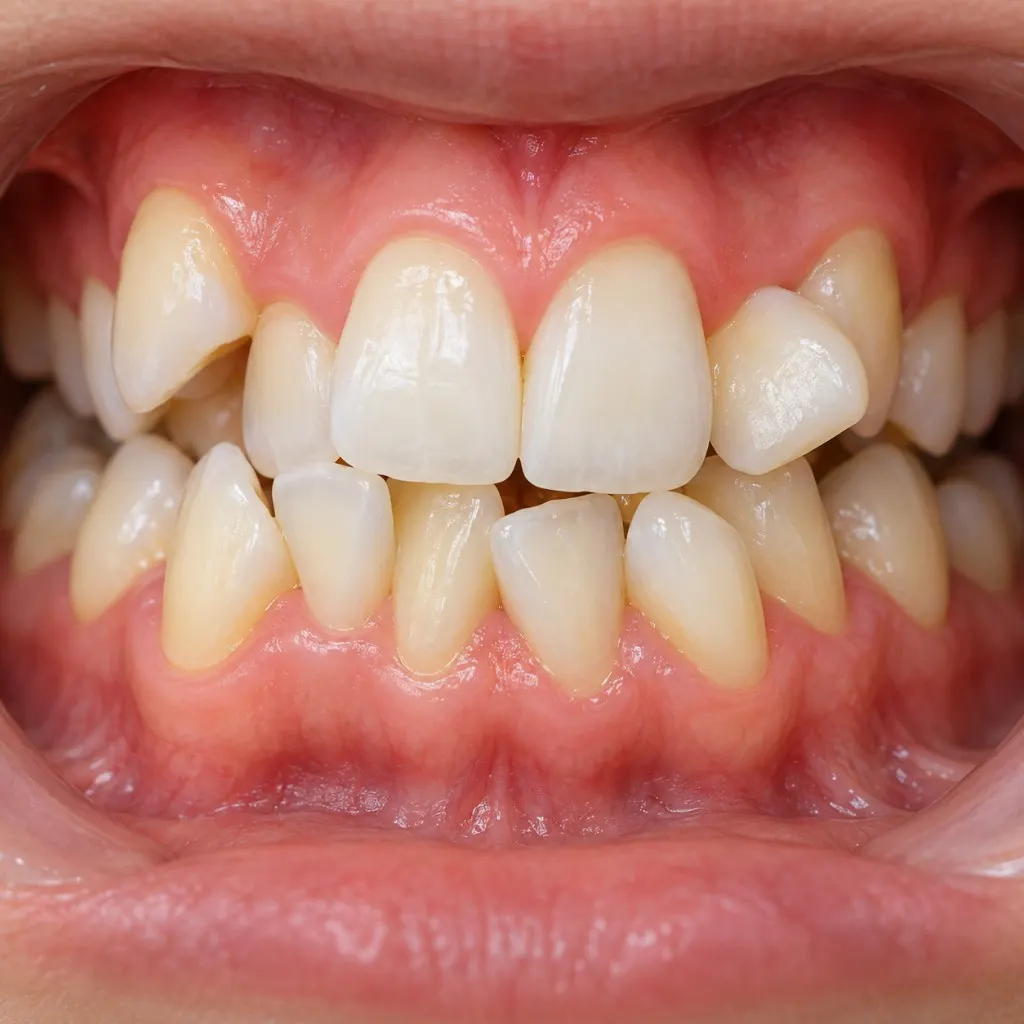
A crowded mouth
Sometimes a tooth is removed to make room, for example before braces.
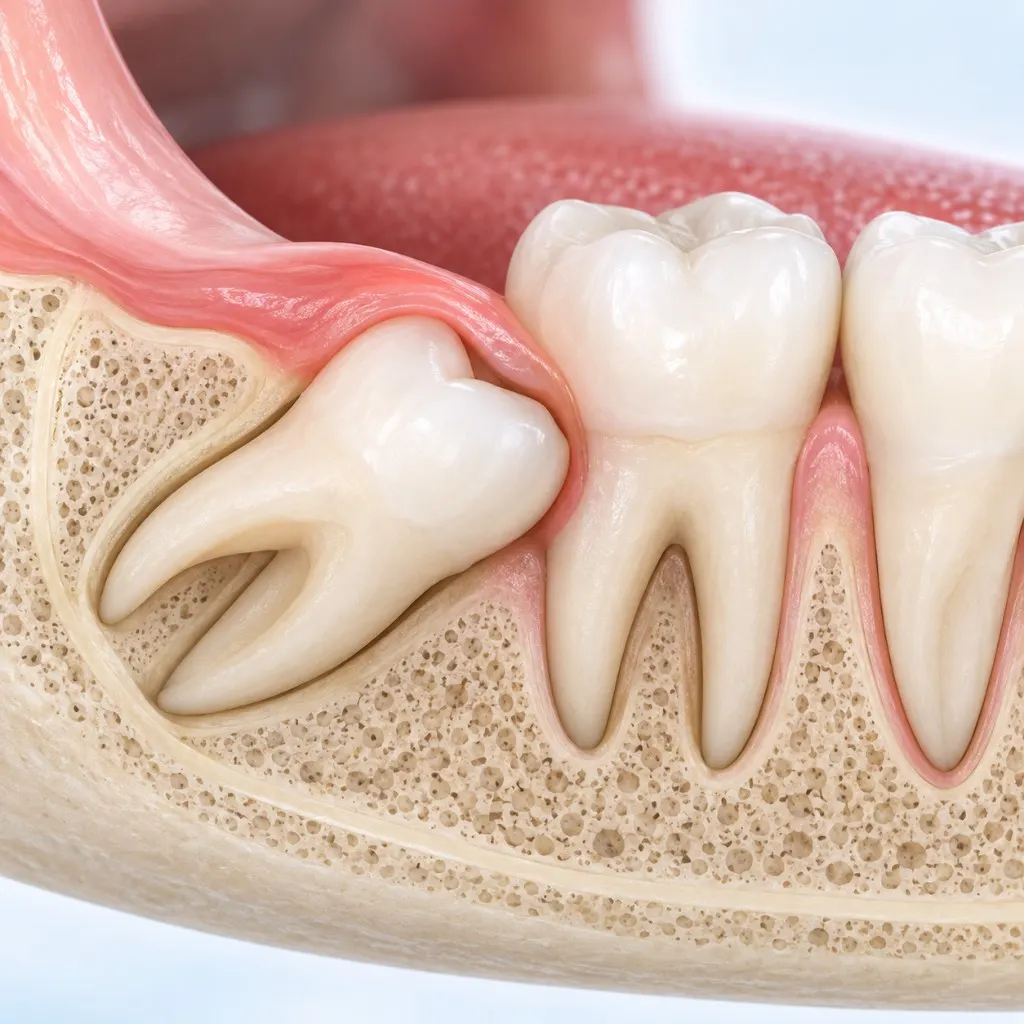
A tooth that is stuck or misplaced
Such as a tooth that has not come through properly.
These situations can have different causes. Only an examination, and usually an X-ray, can show whether a tooth can be saved or needs to be removed.
What happens during an extraction
Your own visit may differ slightly. This is the general journey.
Examination and X-ray
Dr. Tripathi examines the tooth, usually takes an X-ray, and asks about your health and any medicines you take.
Your options
You hear whether the tooth can be saved, what removal involves, and what could replace it. There is no pressure to decide on the day.
Numbing
The area around the tooth is numbed, so you should not feel pain during the extraction.
Removing the tooth
The tooth is loosened and gently removed. You may feel pressure or movement, but not sharp pain.
Care of the socket
The area is checked, and you are shown how to look after it. You may be asked to bite on gauze to help bleeding settle.
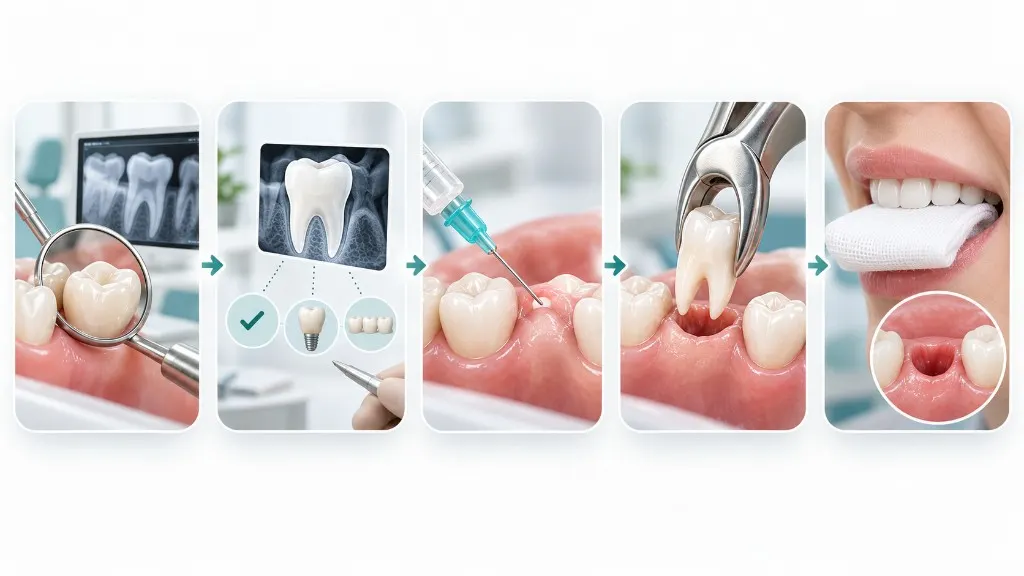
Time and steps depend on the tooth. Your dentist will explain what to expect for yours.
After a tooth is removed: replacement options
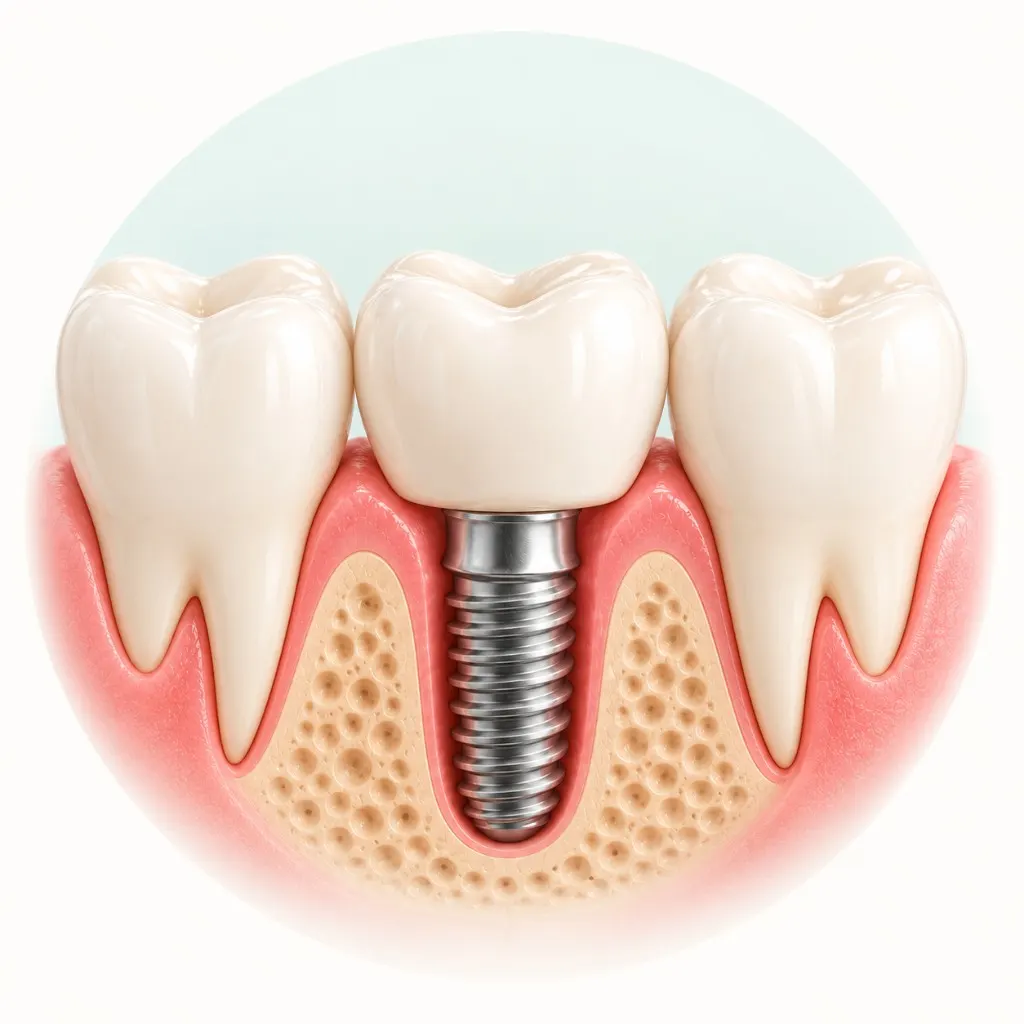
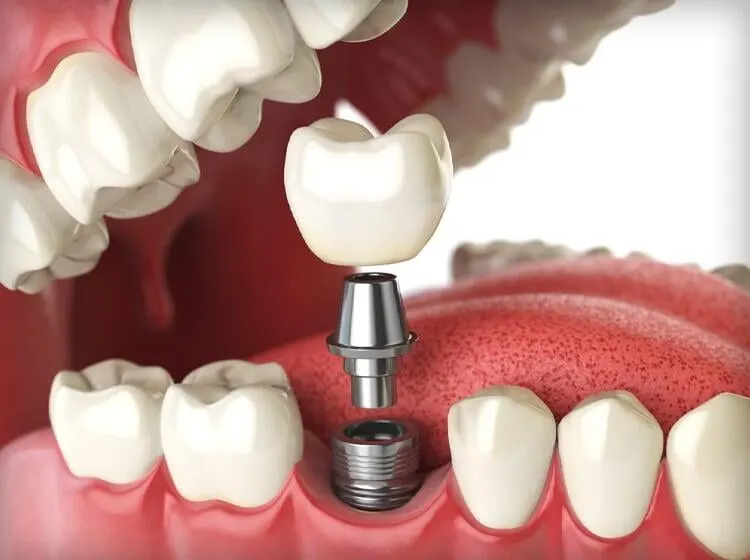
A dental implant
- What it is
- A post in the jawbone supports a new tooth.
- Planning
- A fixed replacement, where the teeth and bone are suitable.
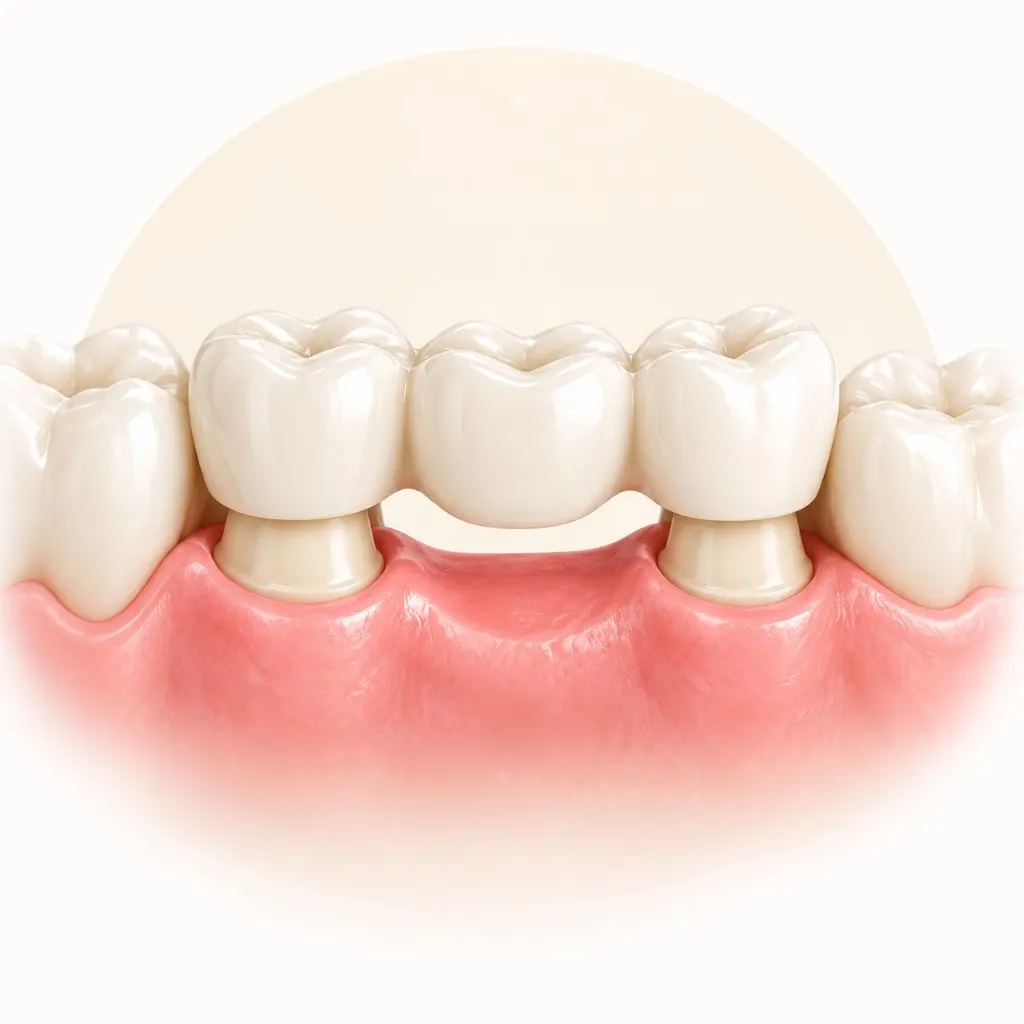
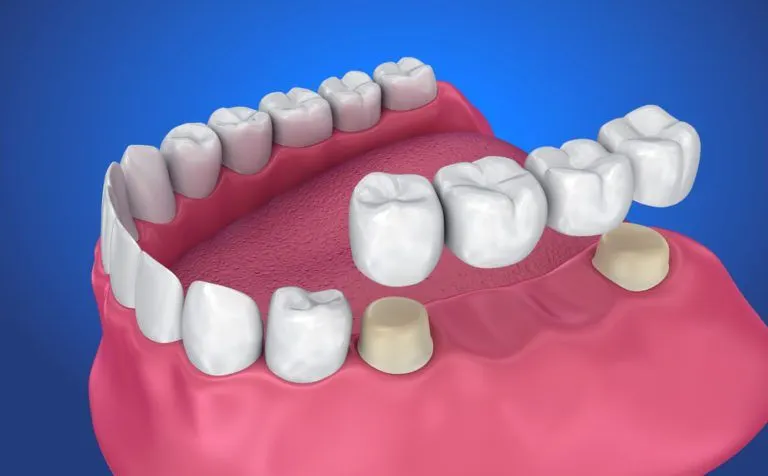
A bridge
- What it is
- A false tooth held by crowns on the neighbouring teeth.
- Planning
- A fixed replacement supported by the teeth beside the gap.
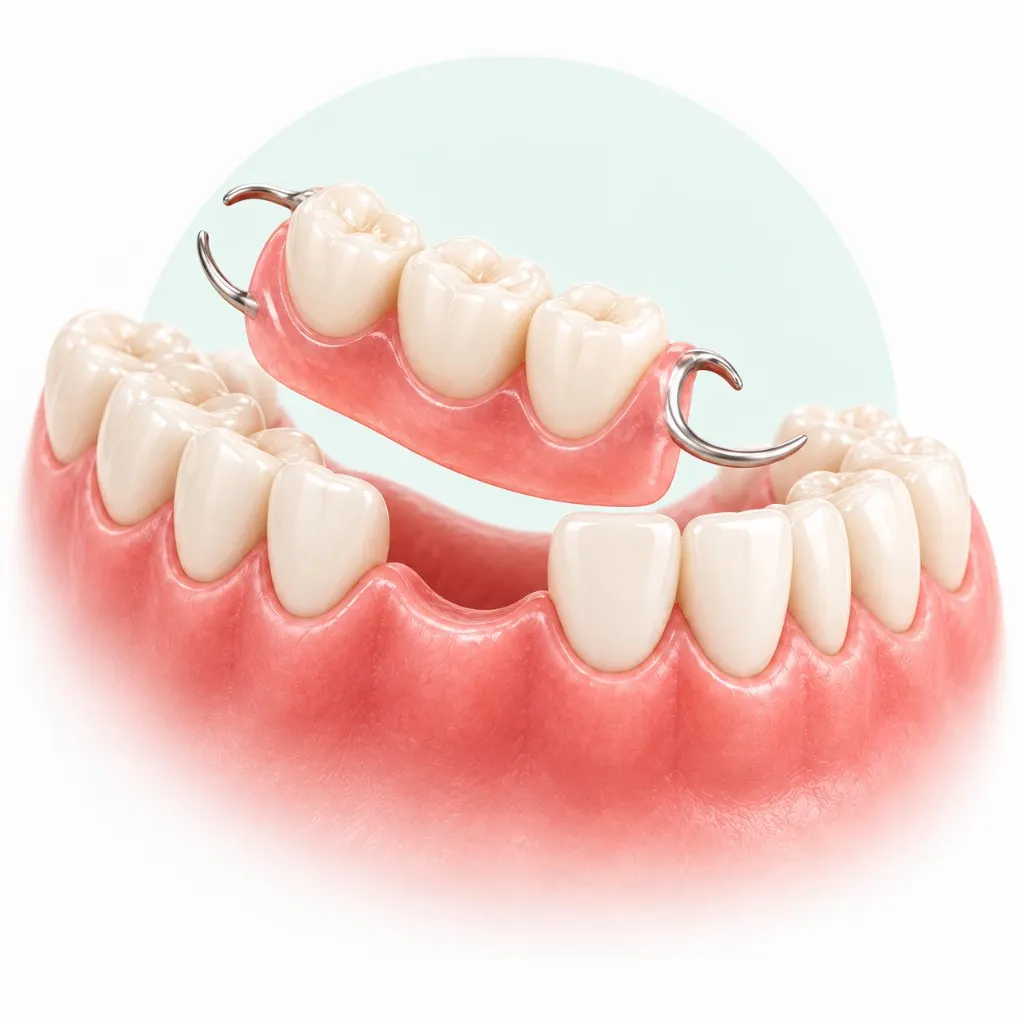
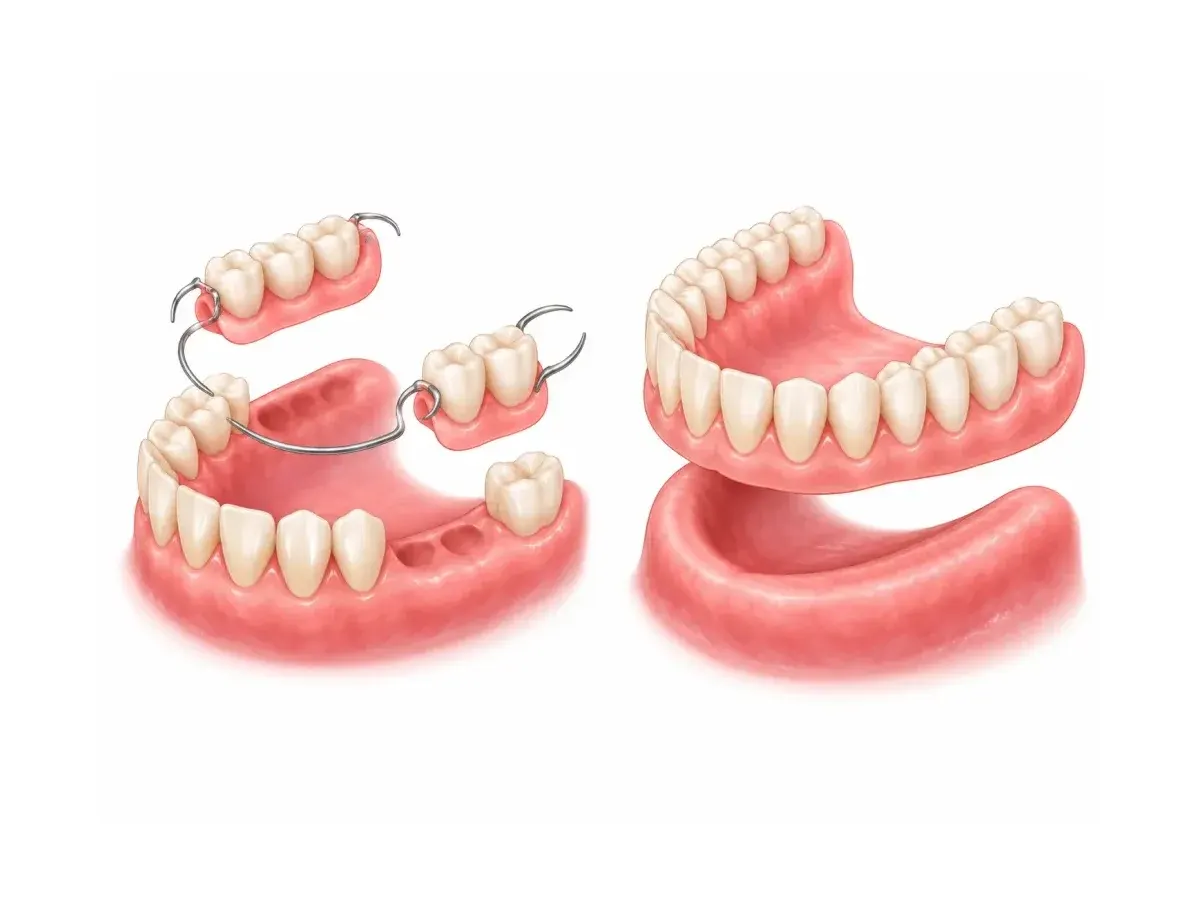
A denture
- What it is
- A removable replacement for one or more teeth.
- Planning
- One or several missing teeth.
The right option depends on your teeth, gums and priorities. Dr. Tripathi will talk it through, ideally before the tooth is removed, so you can plan.
Can the tooth be saved?
Often, yes. Before recommending removal, Dr. Tripathi will consider whether the tooth can be treated.
Decay or infection inside the tooth
Root canal treatment may be an option.
A badly damaged tooth
A filling or a crown may protect it.
A loose tooth from gum disease
Gum treatment may help in some cases.
If a tooth can be saved, we will say so. If it cannot, we will explain why, so the decision is yours and not rushed.
Eating and caring for your mouth
Do
- Eat soft, lukewarm food at first, and chew on the other side.
- Keep brushing your other teeth, taking care around the area.
- Keep the area clean as your dentist advises.
- Drink plenty of water.
Avoid
- Very hot drinks, and hard, crunchy or spicy food at first.
- Poking the area with your tongue, fingers or objects.
- Smoking, and tobacco in any form, including chewing tobacco and paan, which slow healing.
- Strenuous exercise on the first day.
Your dentist will give instructions for your own case, including when to return to normal food.
Feeling comfortable
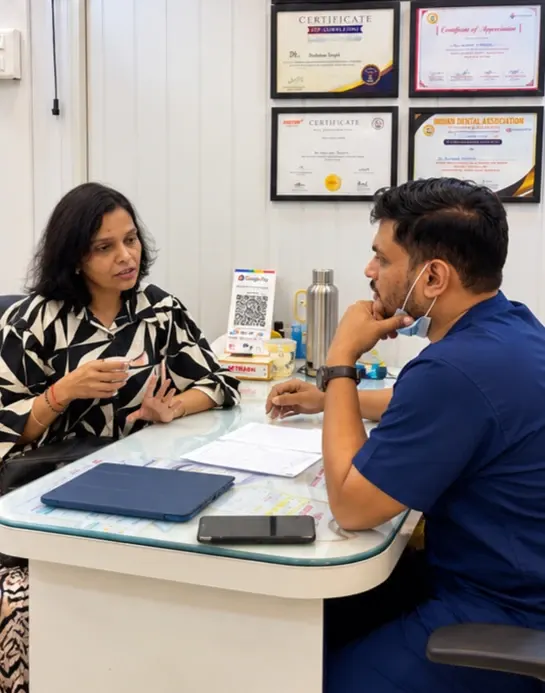
Many people feel anxious before an extraction. That is understandable, and you can ask as many questions as you like.
The area is numbed first. During treatment, you can tell Dr. Tripathi if you feel anything, and he can pause. Pressure and a pulling sensation are normal, but pain should not be.
Please tell him about any medical conditions and the medicines you take, including blood-thinning medicines, before treatment. Do not stop any medicine unless your own doctor advises it.
Why Roots & Pulp?
Dental care should feel clear, thoughtful and personal.
We listen first
Good treatment starts by understanding what brought you in, what is bothering you, and what matters to you.
We explain clearly
You should understand what we found, what your options are, and why a treatment may be recommended.
We treat thoughtfully
Recommendations are based on your individual dental needs rather than a one-size-fits-all approach.
We think beyond today
Prevention, maintenance and long term oral health are part of the same conversation.
Your care is provided by Dr. Shubham Tripathi, BDS, MPH, Reg. No. 20606, U.P. State Dental Council. Meet Dr. Tripathi
Recovery: what to expect
Healing varies from person to person. Your dentist's own instructions come first.
- 01
The day of extraction
The numbness wears off in a few hours. Some oozing of blood is normal. Take care not to bite your lip or cheek.
- 02
The first 24 hours
Rest, and avoid strenuous activity. Avoid rinsing or spitting hard, and do not use a straw. These can disturb the blood clot that protects the socket.
- 03
Days 2 to 3
Soreness and some swelling are common and usually begin to ease. Gentle care of the area continues.
- 04
The first week and beyond
The gum gradually closes over the socket, and the area becomes more comfortable. Deeper healing continues for weeks.
When should I contact the clinic?
Please call the clinic if you notice:
- bleeding that does not slow after you have bitten on gauze with firm pressure, as you were shown
- pain that is getting worse, or returns strongly after the first few days
- swelling that is increasing after the first two or three days
- a fever, pus or a bad taste that does not go away
- numbness that continues after the anaesthetic should have worn off
For difficulty breathing or swallowing, or swelling spreading toward the eye or neck, seek emergency medical care straight away.
What affects the cost of tooth extraction?
We do not publish fixed prices, because every tooth is different. The main factors are:
- 01
Whether the extraction is simple or surgical
- 02
The position and condition of the tooth
- 03
The X-rays needed
- 04
Any further treatment, such as a replacement
After an examination, Dr. Tripathi will explain what you need and what it will cost before you begin.
Common questions
Straight answers about tooth extraction. For anything else, call or send a WhatsApp message.
The area is numbed first, so you should feel pressure and movement but not sharp pain. Afterwards, the area is usually sore for a few days. Tell Dr. Tripathi at any point if you feel anything, and he can pause or top up the numbing.
A simple extraction is usually quicker than a surgical one, but it varies with the tooth and your own anatomy. Dr. Tripathi will give you an idea after looking at the tooth and X-ray.
Often it can, with a root canal, filling, crown or gum treatment. Whether it can depends on how much healthy tooth is left and the support around it. After an examination, we will tell you honestly which applies.
Soft, lukewarm food at first, chewed on the other side. Avoid very hot, hard, crunchy or spicy food until your dentist says you can return to normal. Your dentist will give you advice for your own case.
The first few days are the most sore, and many people feel more comfortable within about a week. The gum closes gradually, and deeper healing continues for weeks. Healing varies from person to person.
The blood clot that forms in the socket protects it while it heals. If it is lost too early, the socket can become painful, often a few days after extraction. Avoid rinsing hard, using a straw and smoking, and call us if pain is getting worse.
Not always, but a gap can let neighbouring teeth drift and affect your bite and chewing. It is worth discussing options early.
It depends on whether the extraction is simple or surgical, the position of the tooth, the X-rays needed and any further treatment. After an examination at our Aliganj clinic, you will be told the cost before you begin.
Please avoid smoking and tobacco in any form, including chewing tobacco and paan, for as long as your dentist advises, because they slow healing. Avoid very hot drinks at first. Your dentist will tell you about alcohol for your own case.
Told a tooth needs to come out? Get it checked first
An examination will show whether the tooth can be saved and what your options are. Dr. Tripathi will explain it all, and there is no pressure to decide on the day.
Roots & Pulp Dental Clinic, ED-362, Sector-Q, Aliganj, Lucknow. Near Saraswati Vidya Mandir School. Open seven days.