
Conservative & Endodontics
Root Canal Treatment in Lucknow
Relief for an infected tooth, with the aim of keeping it.
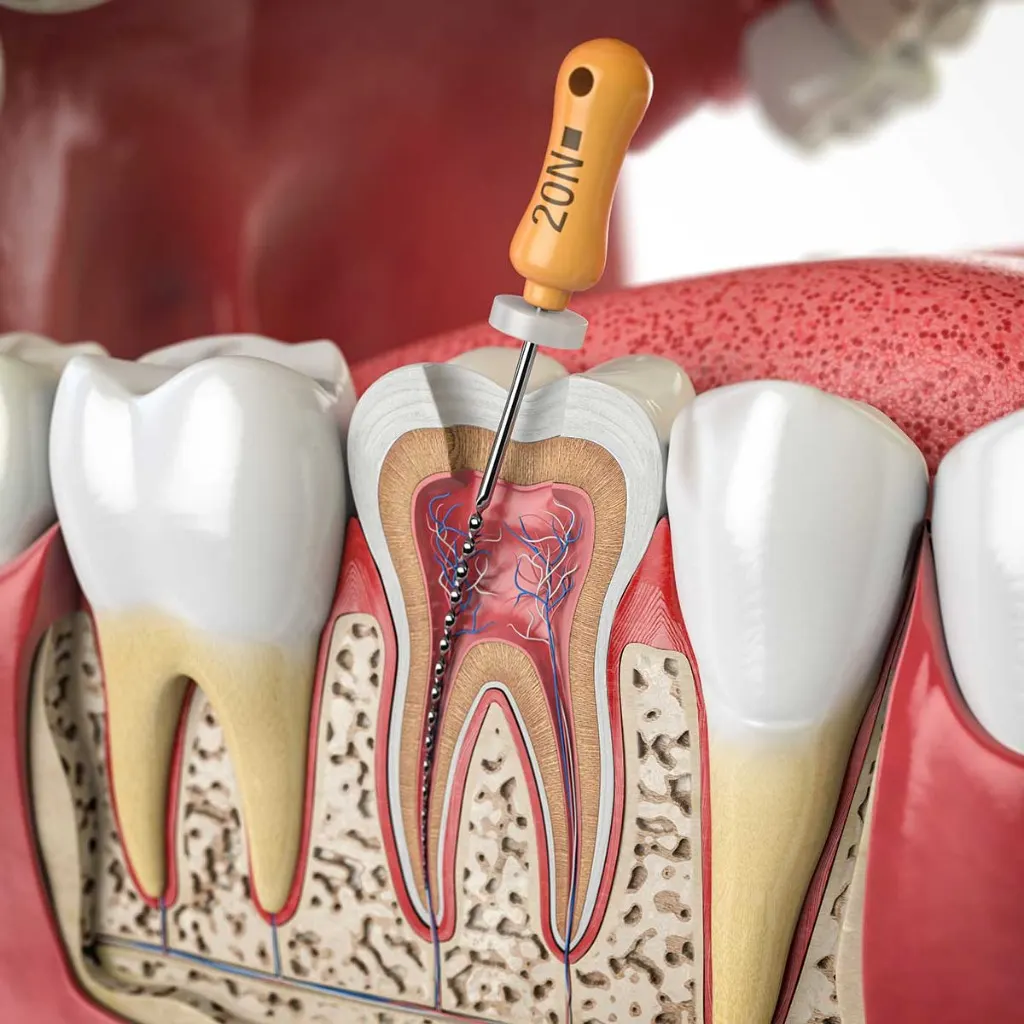
A root canal removes infection from inside a tooth so the tooth can often stay in your mouth instead of being taken out. At Roots & Pulp in Aliganj, Dr. Shubham Tripathi examines the tooth first and explains what he finds before anything begins.
At a glance
- What it treats
- Infection or inflammation inside the tooth, often after deep decay, a crack or an injury.
- Main goal
- Remove the infected tissue and seal the tooth so it can be kept, where possible.
- Comfort
- Local anaesthetic is generally used to numb the area.
- Planning
- Starts with an examination and usually an X-ray, so your dentist can explain your options.
- Afterwards
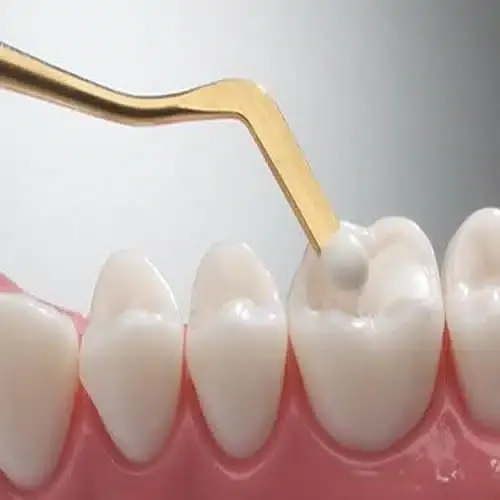
- Most teeth need a protective restoration, such as a filling or crown. Your dentist will advise.
Could this treatment be relevant to you?
These are common reasons people see a dentist about a tooth that may need a root canal.
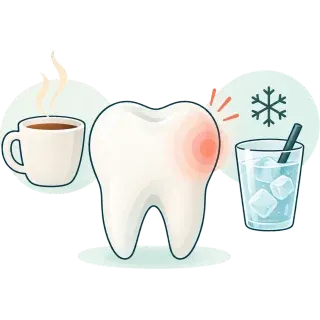
Lingering sensitivity
Hot or cold that stays long after the drink or food is gone.
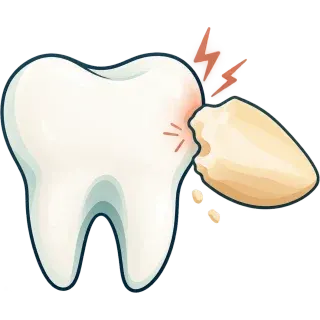
Pain when biting
A tooth that hurts when you chew or press on it.
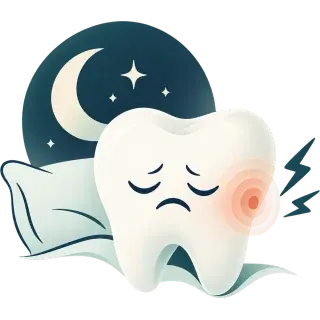
A toothache that wakes you
Pain that is throbbing, or that disturbs your sleep.
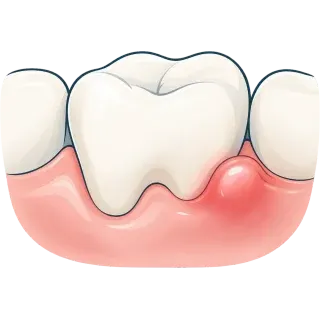
Swelling or a bump on the gum
Puffiness near a tooth, sometimes with a pimple-like spot.
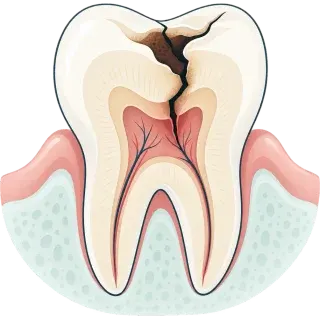
Deep decay or a cracked tooth
Damage that may have reached the inside of the tooth.
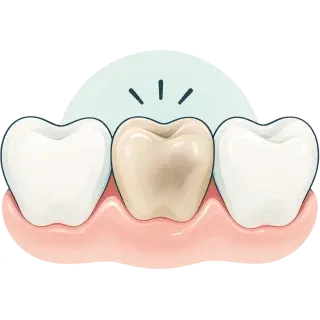
A tooth that is darkening
A tooth that has changed colour compared with its neighbours.
These signs can have different causes. An examination, and sometimes an X-ray, helps determine what is happening and whether root canal treatment or another approach is appropriate.
What is root canal treatment?
Inside every tooth is soft tissue called the pulp. It holds the tooth's nerves and blood supply, and it runs down narrow channels in the roots. These channels are the “root canals”.
If bacteria reach the pulp through deep decay, a crack or an injury, it can become inflamed or infected. That is often what causes the pain.
Root canal treatment removes the affected pulp, cleans and shapes the canals, and seals them. The tooth is then restored so you can keep using it.
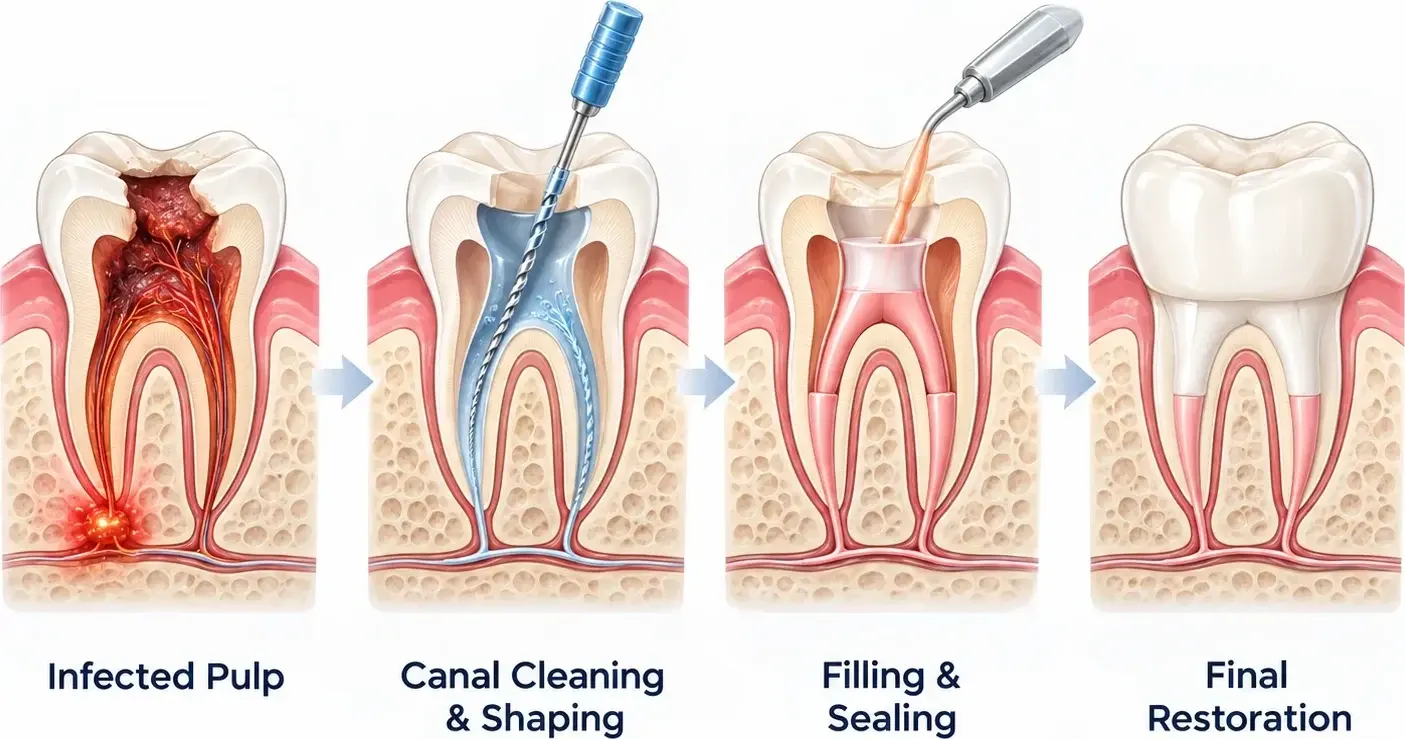
What happens during a root canal
Every tooth is different, so your own plan may vary. This is the general journey.
Examination and X-ray
Dr. Tripathi listens to your symptoms, examines the tooth and usually takes an X-ray. He explains what he finds.
Your plan
You hear your options, what each involves and an estimate of cost. There is no pressure to decide on the day.
Numbing and access
The area is numbed, and a small opening is made in the tooth to reach the pulp.
Cleaning and shaping
The infected tissue is removed and the canals are cleaned and shaped. Where needed, the length of each canal is measured with an apex locator, and an intraoral camera can show a close-up view.
Sealing and restoring
The canals are sealed and the tooth is protected with a filling or, often, a crown. Aftercare advice and a follow-up date are given.
Some teeth need more than one visit. Your dentist will tell you what to expect for your tooth.
Saving a tooth or removing it
Root canal treatment
- What happens
- The infected pulp is removed and the tooth is kept
- Natural tooth
- Kept, where it can be saved
- After
- Usually needs a restoration such as a crown
- Best suited
- A tooth with enough healthy structure to rebuild
Tooth extraction
- What happens
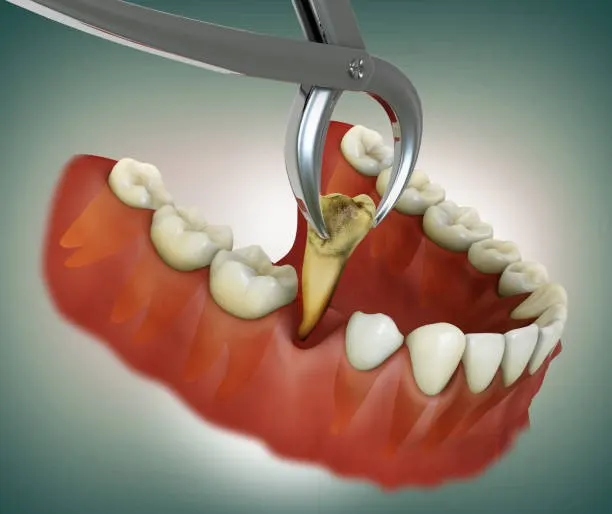
- The tooth is removed
- Natural tooth
- Gap left, may need replacing
- After
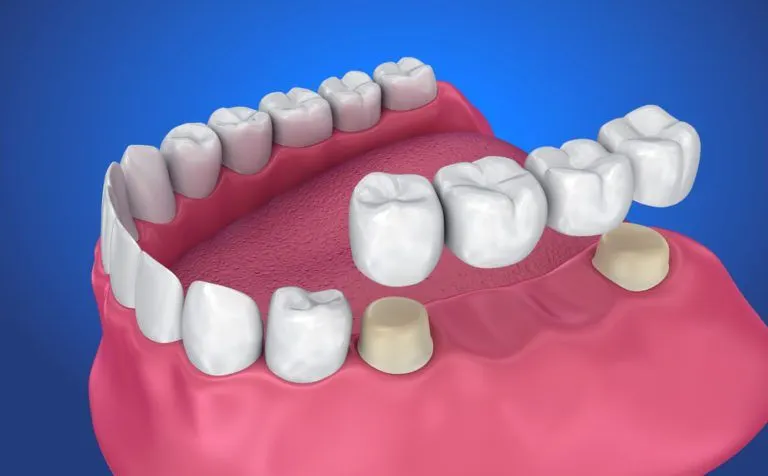
- May need an implant, bridge or denture to fill the gap
- Best suited
- A tooth that cannot be restored
The right option depends on your oral health, priorities and clinical assessment. Some teeth cannot be saved, and Dr. Tripathi will tell you honestly if that is the case.
How your dentist decides
Treatment is never chosen automatically. Your dentist will assess:
- 01
The tooth itself
How much healthy structure remains, and whether it can be rebuilt.
- 02
The X-ray
What it shows around the root and the surrounding bone.
- 03
The gums and bone
Whether the tooth has solid support.
- 04
Your bite
How the tooth meets the teeth opposite it.
- 05
Your health and history
Relevant medical conditions and past dental work.
If you would rather wait, ask questions or take time to decide, that is fine.
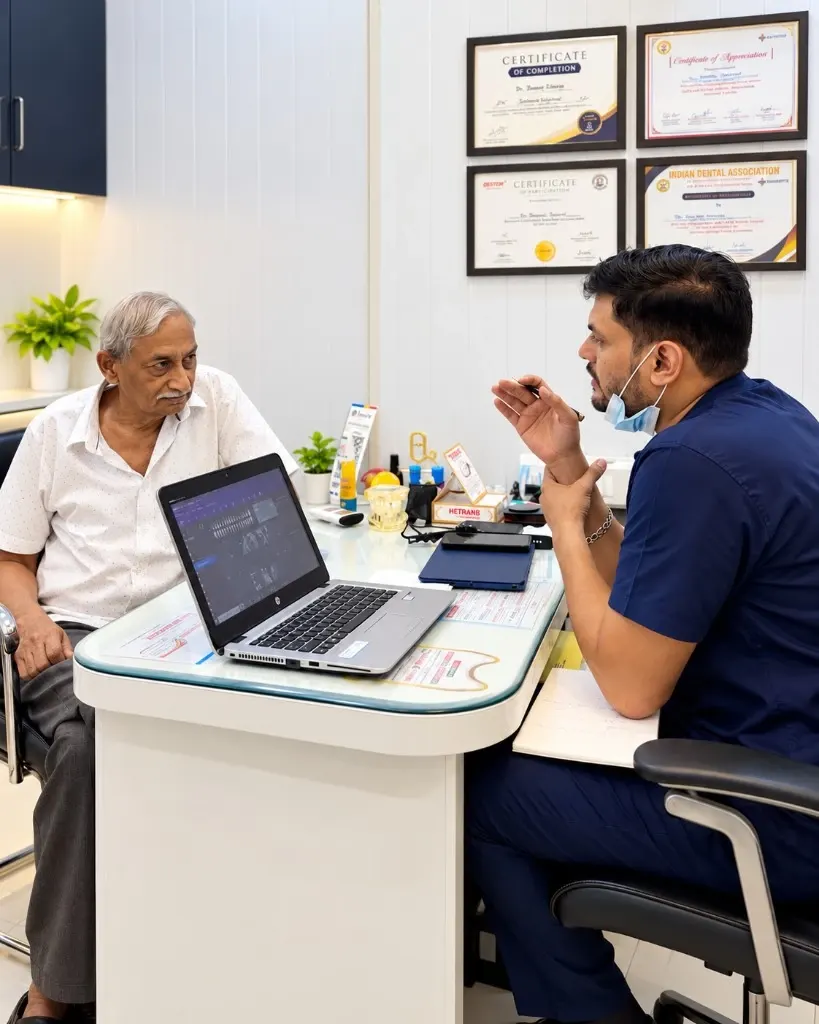
Feeling comfortable during treatment
Many people arrive nervous. That is normal, and it is worth saying so.
The area is generally numbed before treatment begins, and you can tell Dr. Tripathi at any time if you feel anything. You may feel pressure or vibration, which is not the same as pain.
Asking questions is part of the process. Findings are explained to you in plain language before consent.
Why Roots & Pulp?
Dental care should feel clear, thoughtful and personal.
We listen first
Good treatment starts by understanding what brought you in, what is bothering you, and what matters to you.
We explain clearly
You should understand what we found, what your options are, and why a treatment may be recommended.
We treat thoughtfully
Recommendations are based on your individual dental needs rather than a one-size-fits-all approach.
We think beyond today
Prevention, maintenance and long term oral health are part of the same conversation.
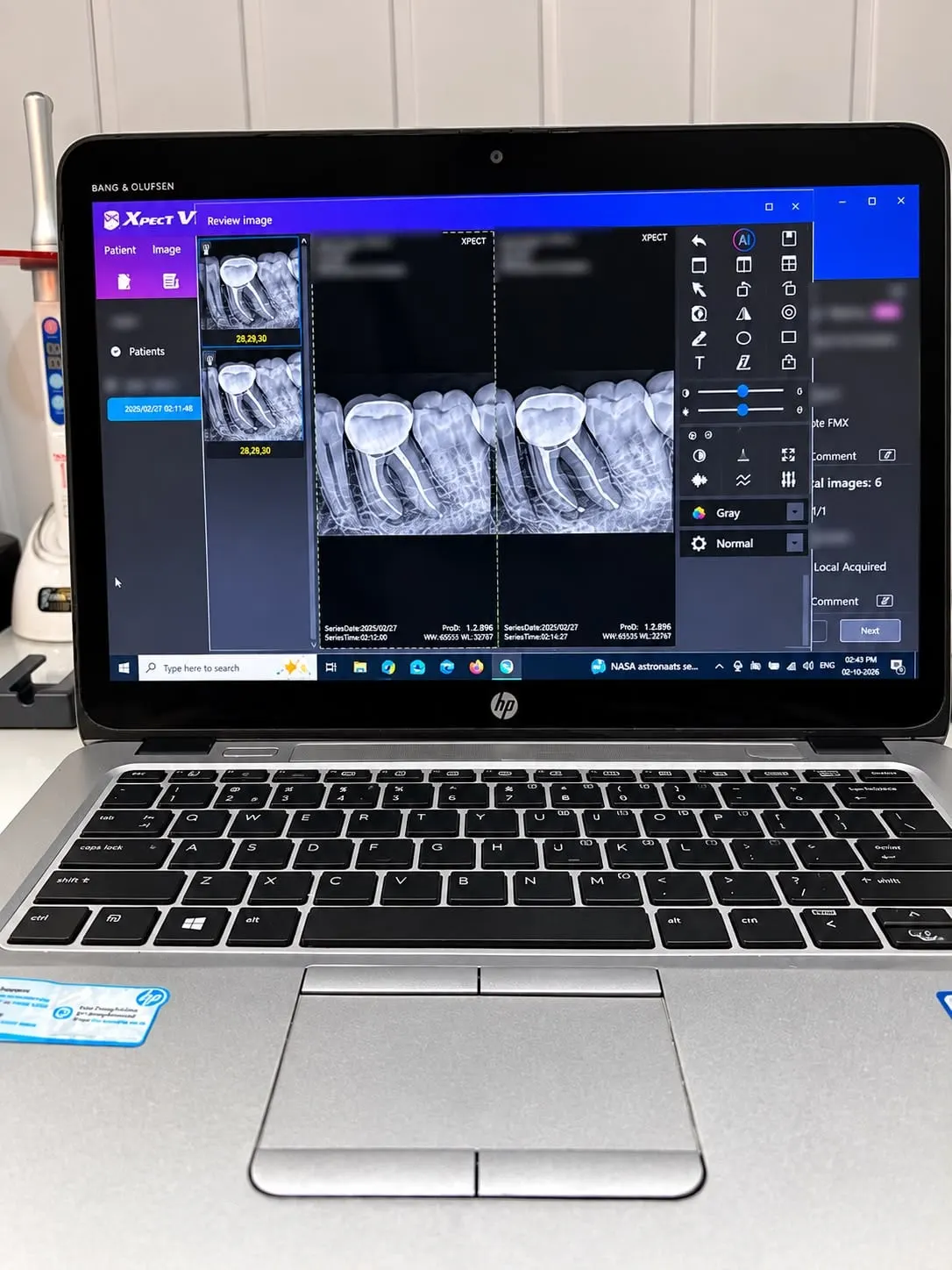
Digital X-ray (RVG)Instant X-rays on screen 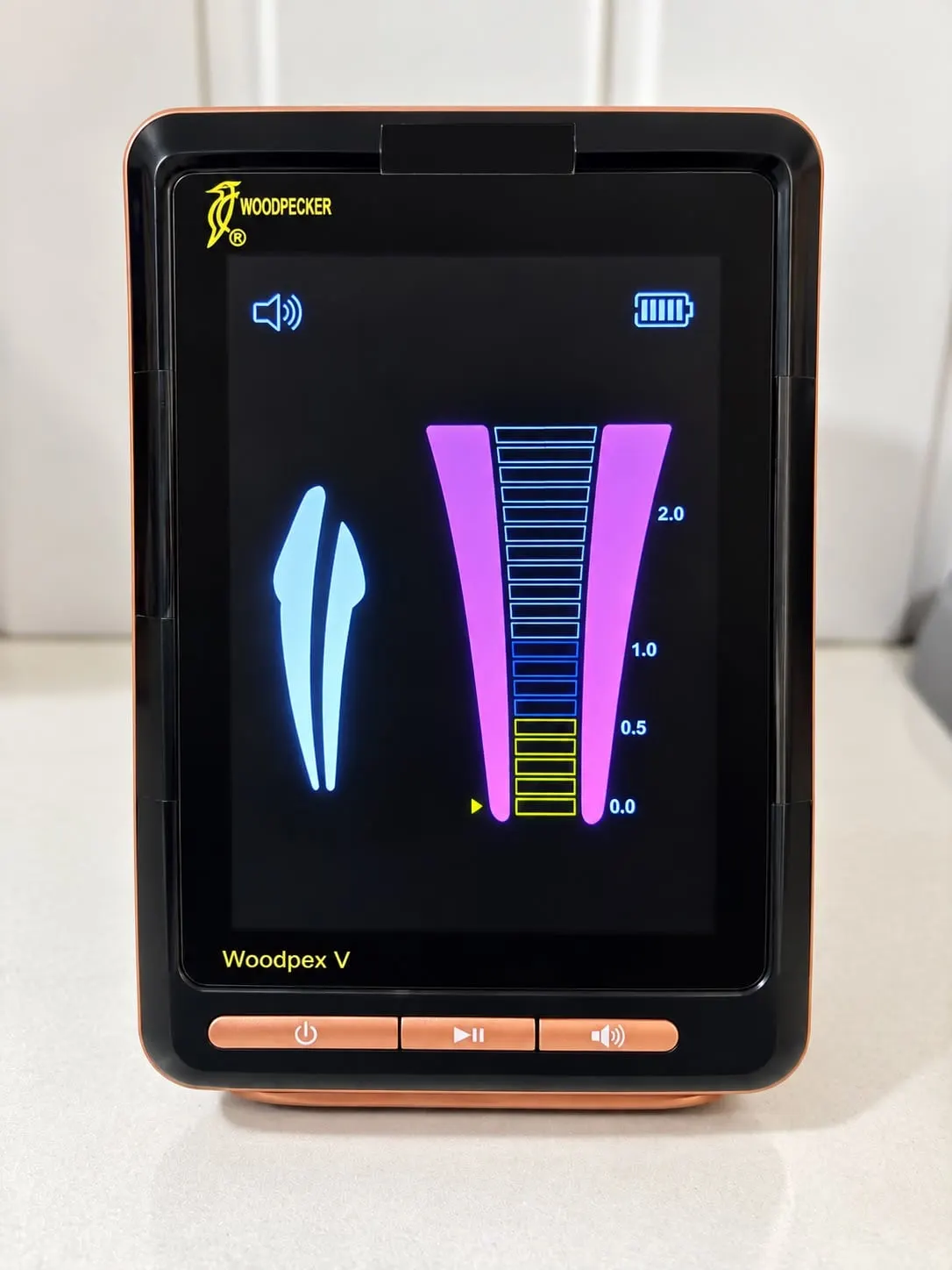
Apex LocatorMeasures root canal length 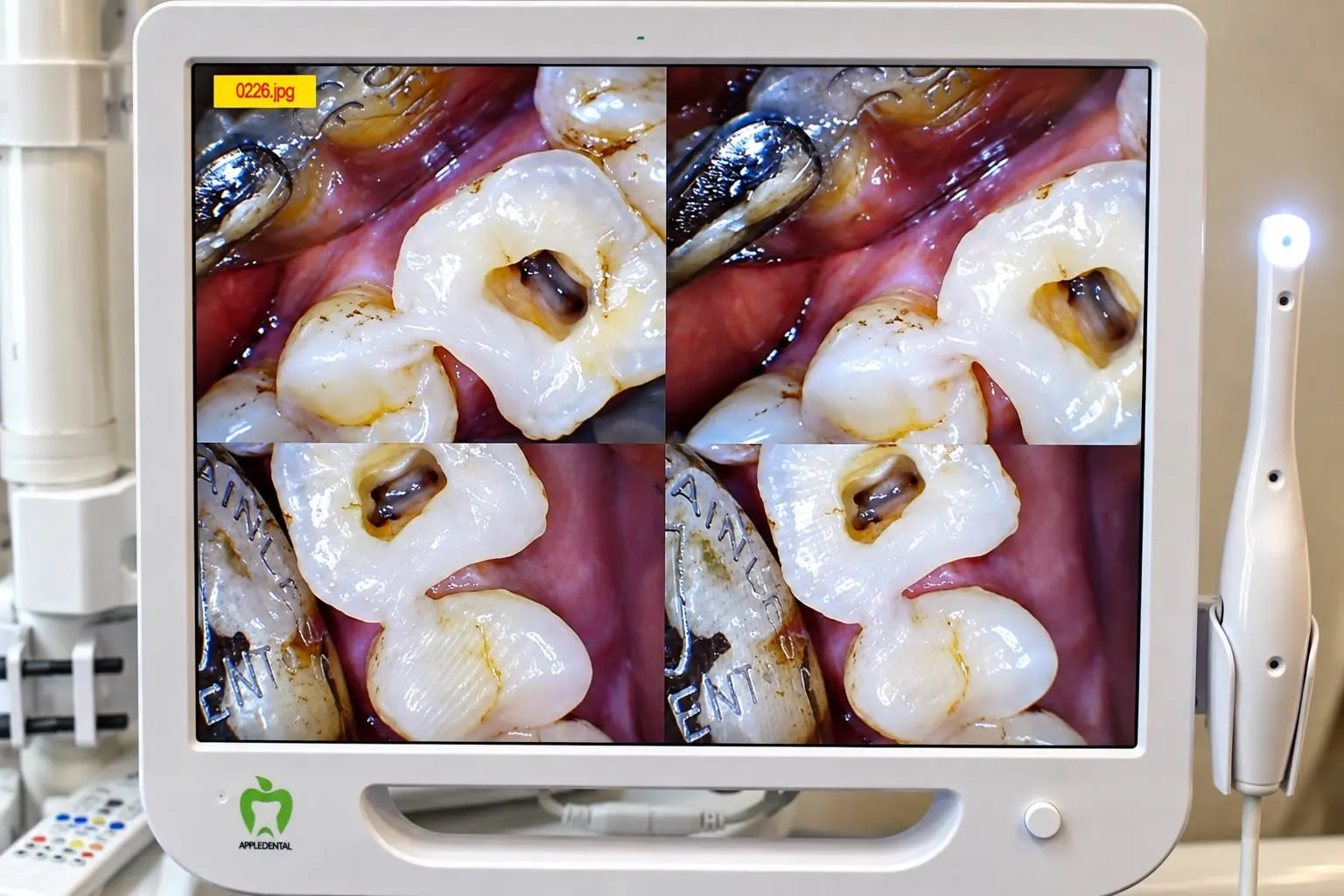
Intraoral CameraClose-up view during root canal treatment
Equipment at Roots & Pulp Dental Clinic. See more in the gallery

Meet your dentist
Dr. Shubham Tripathi
- BDS, MPH. Founder & Director.
- Specialised Certification in Rotary Endodontics.
- Life Member, Indian Dental Association.
- Reg. No. 20606, U.P. State Dental Council.
Read Dr. Tripathi's profile“Dental treatment can feel confusing. Findings, options and the reasoning behind a treatment plan are explained in simple, understandable terms.”
Afterwards: what to expect
Your dentist's own instructions always come first. This is general guidance.
- 01
Straight after
The numbness wears off over a few hours. Take care not to bite your lip or cheek while it does.
- 02
The first few days
The tooth may feel tender, especially when biting. This commonly settles, but tell your dentist if it is getting worse.
- 03
Eating and cleaning
Your dentist will tell you when to eat normally and which side to avoid. Keep brushing and cleaning between teeth as usual.
- 04
Long-term care
The tooth still needs a lasting restoration and regular check-ups. A treated tooth can decay again around the edges.
Attend your follow-up and complete the restoration your dentist recommends. Delay can put the tooth at risk.
When should I contact my dentist?
Please call the clinic if you notice:
- swelling of the face, gum or jaw
- pain that is severe or getting worse after the first few days
- a fever
- a temporary filling or crown that has come off
- difficulty swallowing or breathing
For difficulty breathing or swallowing, or swelling spreading toward the eye or neck, seek emergency medical care straight away.
What affects the cost of a root canal?
We do not publish a fixed price, because the cost depends on your tooth. The main factors are:
- 01
Which tooth
Front teeth and back teeth have different numbers of canals.
- 02
How complex it is
Curved canals, previous treatment or heavy infection take more time.
- 03
Imaging
X-rays needed to plan and check the work.
- 04
The restoration
A filling or crown afterwards is a separate decision and cost.
- 05
Anything extra
For example, treating an infection or an earlier root filling.
After an examination, Dr. Tripathi gives you a clear plan and cost estimate before treatment begins.
Common questions
Straight answers about root canal treatment. For anything else, call or send a WhatsApp message.
The area is generally numbed before treatment, so most people feel pressure rather than pain. Experiences vary, and the tooth may be tender for a few days afterwards. If you feel anything during treatment, tell Dr. Tripathi and he will help.
Lingering sensitivity to hot or cold, pain when biting, swelling near a tooth or a darkening tooth can all be signs. They can also have other causes. Only an examination, and often an X-ray, can confirm what is needed.
It depends on the tooth and how complex the case is. Some teeth need more than one visit. Dr. Tripathi will tell you what to expect for your tooth after examining it.
The cost depends on which tooth is treated, how complex it is, the imaging needed and the restoration afterwards. After an examination at our Aliganj clinic, you will get a clear plan and estimate before treatment begins.
The numbness wears off in a few hours, and the tooth may feel tender for a few days. You will be given aftercare instructions, and the tooth will usually need a filling or crown to protect it. Follow your dentist's advice.
Your dentist will tell you when to eat normally. Until the numbness wears off, take care not to bite your lip or cheek. Many people are advised to avoid hard food on that tooth until it is fully restored.
There is no fixed lifespan. How long a treated tooth lasts depends on the tooth, the final restoration, your cleaning habits and regular check-ups. Many are kept for years with good care.
An infection inside a tooth does not usually clear up by itself, and it can spread or cause more pain and swelling. If you have symptoms, it is worth having the tooth examined sooner rather than later.
Sometimes. If a tooth cannot be restored, extraction may be recommended, and a gap would then need to be considered. Your dentist will explain which option suits your tooth.
Booking ahead means shorter waits, so we recommend calling, WhatsApp or booking online. We are open Monday to Saturday 10:00 AM to 8:00 PM and Sunday 10:00 AM to 5:00 PM.
Not sure what your tooth needs?
Tooth pain is hard to ignore, and hard to read. Start with an examination, and Dr. Tripathi will explain what is happening and what your options are.
Roots & Pulp Dental Clinic, ED-362, Sector-Q, Aliganj, Lucknow. Near Saraswati Vidya Mandir School. Open seven days.