It's easy to connect the two events and think, Did the cleaning make my teeth loose?
The short answer is no: professional scaling does not normally loosen healthy teeth. It removes plaque and hardened tartar, not the bone and ligaments that keep your teeth in place. But if gum disease has already affected those supporting structures, you might notice existing problems more clearly after the deposits are removed. And in some people receiving deeper gum treatment, tooth mobility can temporarily change during healing.
That difference matters. Let's look at what is actually happening, without the dental jargon.
Why do people think scaling makes teeth loose?
Imagine wearing a tight ring for months. When you remove it, the skin underneath looks and feels different. That doesn't mean removing the ring caused the changes.
Something similar can happen with heavy tartar buildup. Tartar may have been covering parts of the tooth or filling the space between teeth. Swollen gums may also have made those spaces less visible. Once the deposits are removed and the gums become less inflamed, the original shape of the teeth and spaces can be easier to notice.
If a tooth already had reduced support because of gum disease, its movement may become more obvious too. The important point is that tartar is not a healthy support system for your teeth. Leaving it in place to avoid that unsettling feeling does not protect the gums or bone underneath.
Not every unfamiliar sensation means a tooth is loose, though. A tooth that feels smoother, a new sensation between two teeth, and a tooth that actually moves are three different things. Your dentist can check which one you're experiencing.
What actually happens during teeth cleaning?
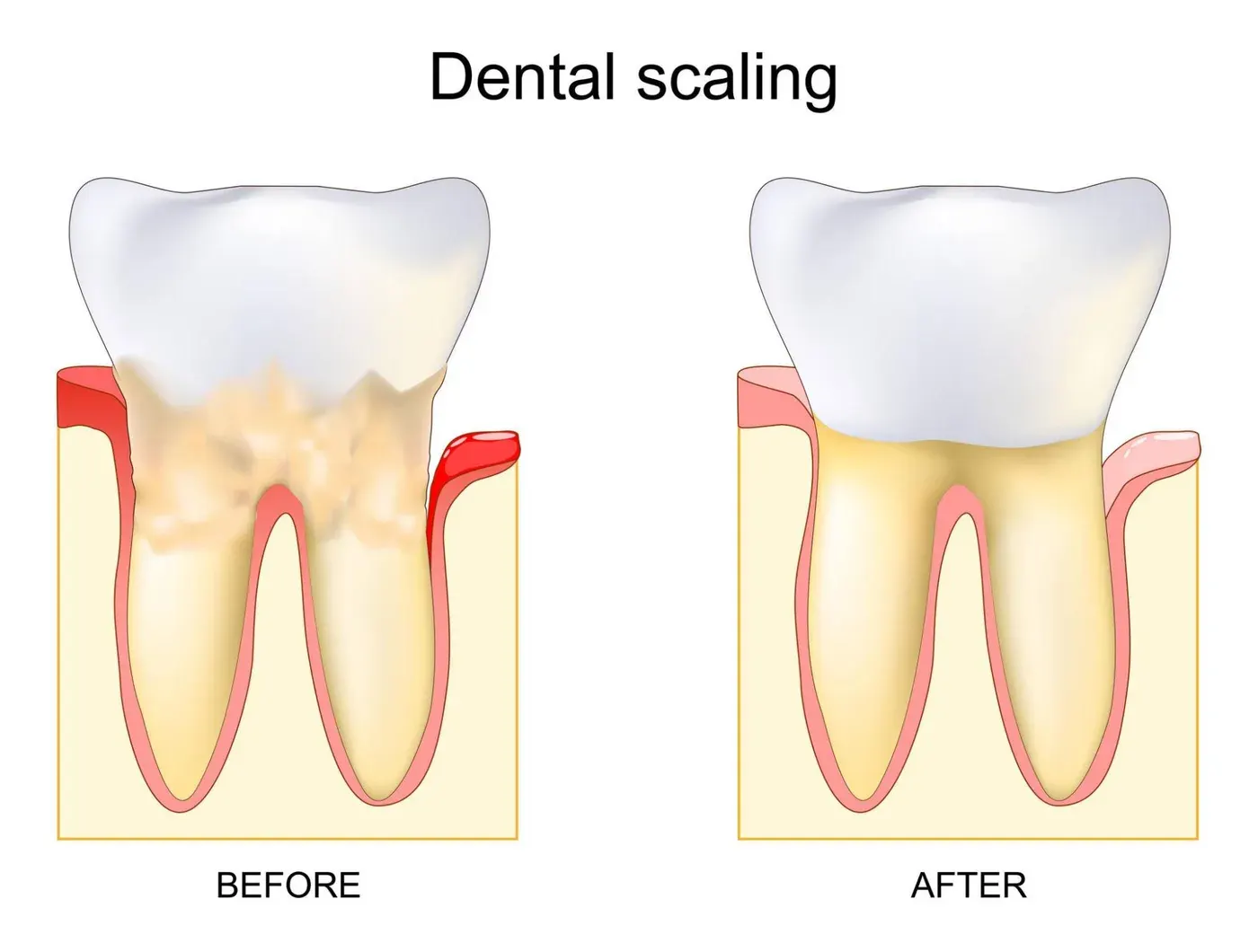
Every day, a soft, sticky film called plaque forms on your teeth. You can remove much of it by brushing and cleaning between your teeth. When plaque stays in place and hardens, it becomes tartar (also called calculus). At that stage, an ordinary toothbrush cannot remove it.
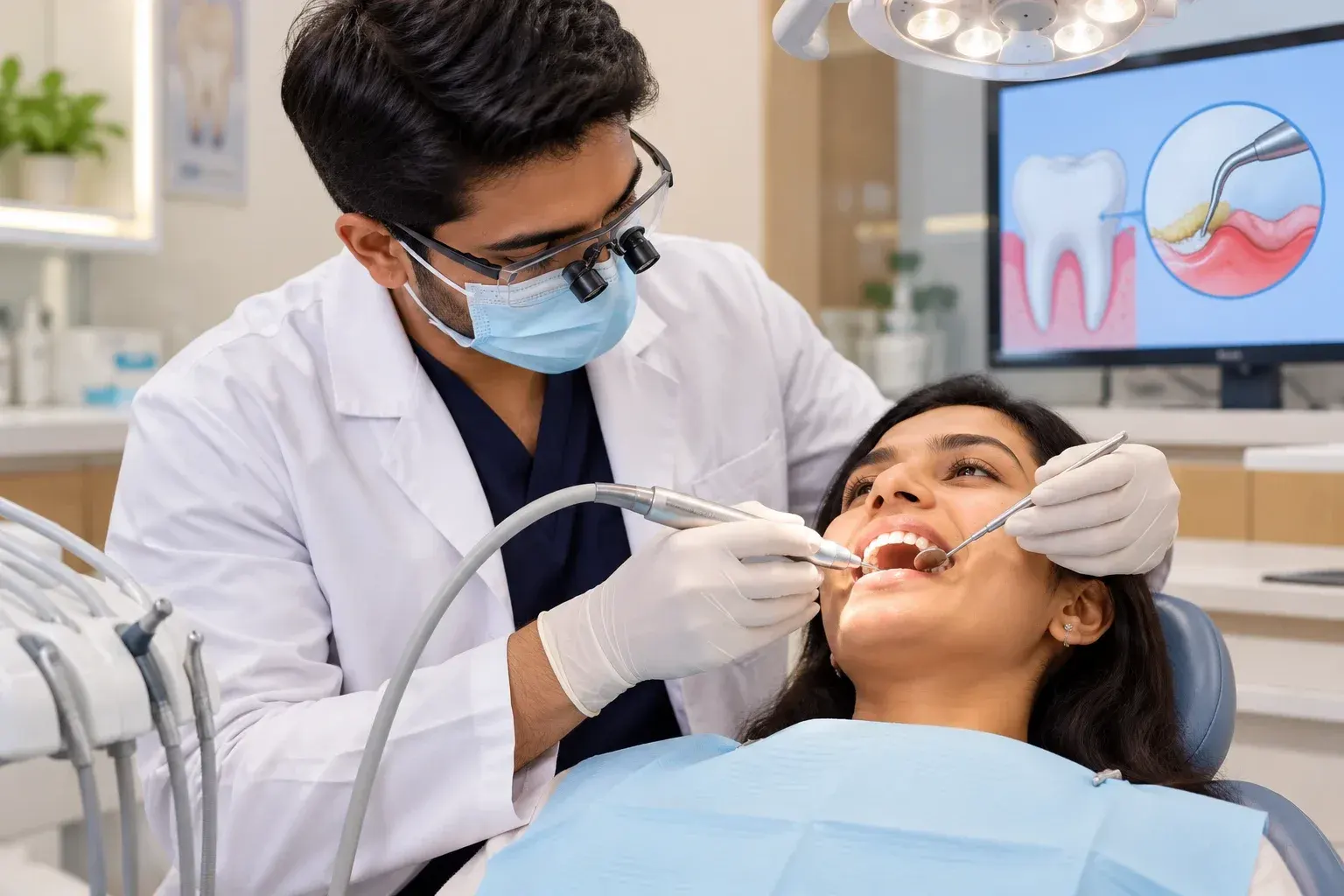
During professional scaling, a dentist or dental hygienist uses specialised hand instruments or an ultrasonic scaler to break up and remove these deposits. An ultrasonic scaler may make a vibrating sound and spray water to help wash debris away. Polishing, when appropriate, helps remove some surface stains and leaves the tooth feeling smooth.
The instruments are intended to clean the tooth surface—not to shave down healthy teeth or loosen their roots. Your experience will depend on how much buildup you have and how healthy your gums are. A light cleaning around healthy gums is very different from the deeper treatment needed for established gum disease.
If you want to know what your appointment involves, see our guide to professional teeth cleaning.
The real reason teeth can become loose: gum disease
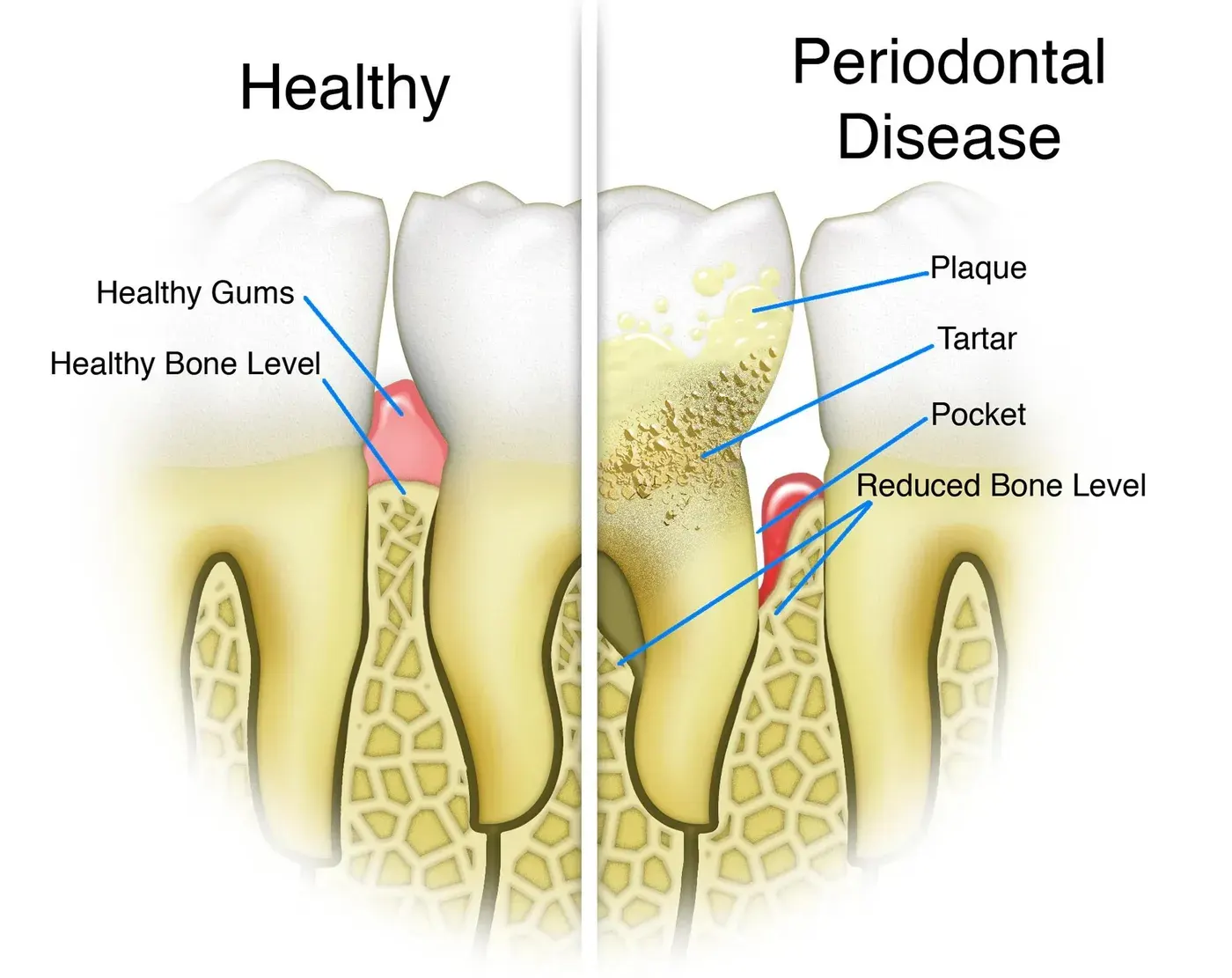
- Healthy gums and bone
- Periodontal disease
Your teeth aren't held in place by the visible pink gum alone. Beneath it are the jawbone and strong supporting tissues that anchor each tooth. When these are healthy, teeth remain stable.
Plaque buildup can first cause gingivitis, where gums become red, swollen or bleed when you brush. This early inflammation is generally reversible with improved plaque control and suitable professional care.
If the problem progresses to periodontitis, the inflammation can damage the attachment and bone supporting the teeth. Gum pockets may deepen, the gums may recede, and teeth can eventually become mobile. This is why bleeding gums when brushing should not be dismissed as something normal.
The NHS lists loose teeth among the possible signs of advanced gum disease. The American Dental Association also explains that untreated periodontal disease can lead to bone and tooth loss.
Here is the crucial distinction: scaling removes a contributor to gum disease; it does not create the bone loss that gum disease may already have caused. Cleaning is often part of the treatment plan. It cannot, by itself, guarantee that previously lost bone will return or that a severely loose tooth will tighten again.
Our gum and oral health page explains how we assess the condition of the gums and supporting tissues.
Why do my teeth feel different after scaling?
There are a few possible explanations, and they aren't all alarming.
1. You can feel spaces that tartar used to occupy
Thick deposits sometimes collect between teeth and near the gum line. After they're removed, your tongue may pick up on a space that was already there. You may even notice a small dark triangle between two teeth, particularly if the gums have receded or the swelling is settling down. The cleaning didn't carve out a piece of your tooth.
2. Your gums are no longer as puffy
Inflamed gums can look fuller than healthy gums. As they recover, their contours may change. That can make teeth appear a little longer or spaces more noticeable. This can be surprising, but it is not the same as the cleaning causing gum disease.
3. You have temporary tenderness or sensitivity
Cold water, air or a toothbrush may bother your teeth for a short time after cleaning, especially if roots are exposed or your gums were inflamed. Some tenderness or minor bleeding can also occur after more extensive treatment. Tell your dental team if discomfort is significant or does not improve.
4. A tooth really is mobile
This deserves an examination, particularly if the movement is new, increasing or accompanied by pain. In patients treated for periodontitis, mobility can sometimes change temporarily during healing, but it can also reflect loss of supporting bone or another dental problem. Don't assume actual tooth movement is a harmless side effect.
Should you avoid cleaning if your teeth are already loose?
No, avoiding treatment because you're worried about looseness may allow the underlying problem to progress. But the right next step is not necessarily a quick, routine polish either.
Tell your dentist which teeth feel mobile and whether you have bleeding, swelling, bad breath or difficulty chewing. They may measure the spaces between your teeth and gums, assess tooth movement and recommend X-rays to check the supporting bone.
Depending on the findings, you may need scaling and root planing, a deeper cleaning beneath the gum line that is used to treat periodontitis. Some teeth may need additional periodontal care and follow-up. The goal is to control infection and help preserve the support that remains.
If a tooth is already loose, ask your dentist what improvement is realistic in your particular case. An honest explanation is far more useful than a blanket promise that cleaning will make every tooth firm again.
Is teeth scaling safe? And does it hurt?
Professional scaling is a standard dental procedure when clinically appropriate. You may hear scraping or feel vibration and pressure. It can be uncomfortable around inflamed gums, but you should not have to stay silent through pain. Your dentist can pause, adjust the technique or discuss local anaesthetic for deeper cleaning.
Like other treatments, scaling can have temporary effects, including sensitivity, tender gums and changes in how spaces between teeth look. These possibilities should be explained before extensive periodontal treatment. They don't make it sensible to leave harmful deposits untouched.
One more thing: not everyone needs scaling on the exact same six-month schedule. A Cochrane review found little or no difference in certain gum-health outcomes from routinely scheduled scale-and-polish appointments in regularly attending adults without severe periodontitis. That finding does not mean people with active gum disease should skip necessary treatment. Your cleaning and follow-up schedule should reflect your individual risk and gum health.
When should you call your dentist?
Some sensitivity soon after cleaning can settle. Actual tooth mobility needs a different response. Arrange a dental assessment if:
- a tooth feels loose or seems to be moving more than before;
- pain, sensitivity or bleeding is persistent or getting worse;
- your gums are very swollen, sore or repeatedly bleed;
- you notice pus, a persistent bad taste or discomfort when biting.
Seek urgent dental advice for a loose adult tooth, especially when there is marked swelling, severe pain or a recent injury. Don't keep wiggling the tooth to test it, and don't try to scrape tartar off at home.
So, does teeth cleaning make teeth loose?
A properly performed cleaning is not expected to loosen healthy teeth. What it can do is reveal gaps, expose previously hidden tooth surfaces, or bring attention to mobility associated with an existing gum problem. Deep periodontal cleaning can also bring temporary changes while tissues heal.
The best response isn't to fear scaling. It's to understand what your gums are telling you. If teeth feel different after an appointment, ask for an examination and a clear explanation of your gum and bone health. Knowing the cause is the first step toward protecting your smile.
FAQs
Does scaling create gaps between teeth?
Scaling does not cut gaps into your teeth. Removing bulky tartar and reducing gum swelling can make existing spaces easier to see. Ask your dentist to check any new-looking gap.
How often should I get my teeth cleaned?
There is no single interval for everyone. It depends on your gum health, tartar buildup, risk factors and whether you have had gum disease. Your dentist can recommend a schedule.
Does cleaning hurt?
You may feel pressure or brief sensitivity, especially around inflamed gums or exposed roots. Tell your dentist if it hurts; they can adjust the technique or discuss numbing options.
Clinical references
- NHS: Dental treatments (scale and polish)
- NHS: Gum disease
- Cochrane: Routine scale and polish for periodontal health in adults
- Cleveland Clinic: Sensitive Teeth
- American Dental Association: Scaling and Root Planing for Gum Disease
- Kent Community Health NHS: Professional mechanical plaque removal
This article is for general awareness and does not replace a dental examination.